Slovenia Bog Blog

CMS

Error message

  • Notice: Trying to access array offset on value of type bool in _getMissionAgency() (line 101 of sites/all/modules/missionhub_custom/missionshub_custom.module).
  • Notice: Trying to access array offset on value of type null in _getMissionAgency() (line 101 of sites/all/modules/missionhub_custom/missionshub_custom.module).

The Bible Marathon 2012

29 Oct 2012

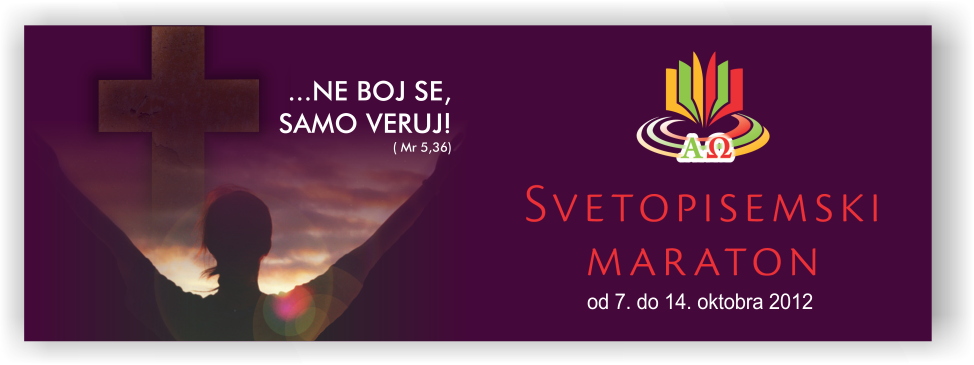
Each year the Bible Society of Slovenia organises a week when the Bible is read for 24 hours a day for 7 days. They call it the Bible Marathon. People from around Slovenia can come to a chapel in central Ljubljana and read the Bible aloud. Usually churches organise a few hours one day when they all come together and take turns to read chapters. The event opens and ends with pray and throughout the week there are some talks to accompany the theme of the Marathon. This year the event was held at the beginning of October and theme came from Jesus' words in Mark 5: "Don't fear, only believe".

I am very supportive of the work of the Bible Society throughout the world. For years this society has been involved in publishing the Christian Scriptures into all the different languages of the world. My eyes have also been opened to the vital role this society plays within Slovenia. They have been publishing the Bible here for many years, but within a diverse theological context. For example, they have to accommodate a very large Roman Catholic presence in Slovenia. There may be a few Catholic influences in the Slovene Bible translations, yet it means that everyone has access to the Bible. The society helps people read it, whenever they hold their Bible Reading marathon. Furthermore, one of the aims of the society in Slovenia is to engage in evangelism whenever and wherever they perceive the church is failing in this.

This year Peter Novak, the pastor of the Reformed Evangelical Church (REC), who also happens to be my boss, organised for us to give two talks in conjunction with the Bible Society Marathon. The titles for the talks were "Do you understand what you are reading?". This was Philip's question to the Ethiopian eunuch in Acts 8. Our goal was to help people consider an appropriate approach to read, understanding and applying Scripture. Using the narrative from Acts 8:26-40 as my main example for this approach, I spoke on the basics of comprehension skills, the centrality of Jesus Christ for understanding Scripture, and the importance of reading a passage in its context. Peter Novak's talk picked up these ideas, and focused more on reading the Old Testament.

If you would like to look at the talks, follow these links to Youtube:

Mark's Bible Society Marathon Talk 2012 - English with Slovene translation

Peter's Bible Society Marathon Talk 2012 - Slovene

Personally, I found the preparation for this talk rather challenging. Usually I speak to audiences which understand the importance of reading the Bible and then put this into practise. In Slovenia I might assume that some people would say the former, but there would be no evidence of the latter in their lives. The questions at the end of my talk confirmed that there was a very broad spectrum of attitudes towards the importance and place of reading the Bible. So I had to work hard in preparation, making my presuppositions and assumptions clear, being practical, as well we faithful to Scripture.

Overall, I think the Slovene Bible Society Marathon is an excellent opportunity. It really is just a start too, since it seems that it is the only exposure to the Bible that a lot of Christians receive throughout the year.

The Cost of Climate Change

20 Jun 2012

To be honest, the heading has little to do with this post - I wanted your attention and for you to consider what it costs to live in another country.

Every time we have moved into new accommodation, we have been confronted with different costs. For example, in our first unit we were expected to pay for a cleaning lady and the winter heating of the block's stairwell - we thought that was a bit rich as no one actually lived in the stairwell or made it dirty. We were paying for community rubbish removal in our next unit - no one had their own bin. We have huge winter heating costs in our present house. These are just a few examples of expenses which we just didn't expect to pay, but have to pay. The funniest bill we have to pay is for free radio and television - try figure that one out.

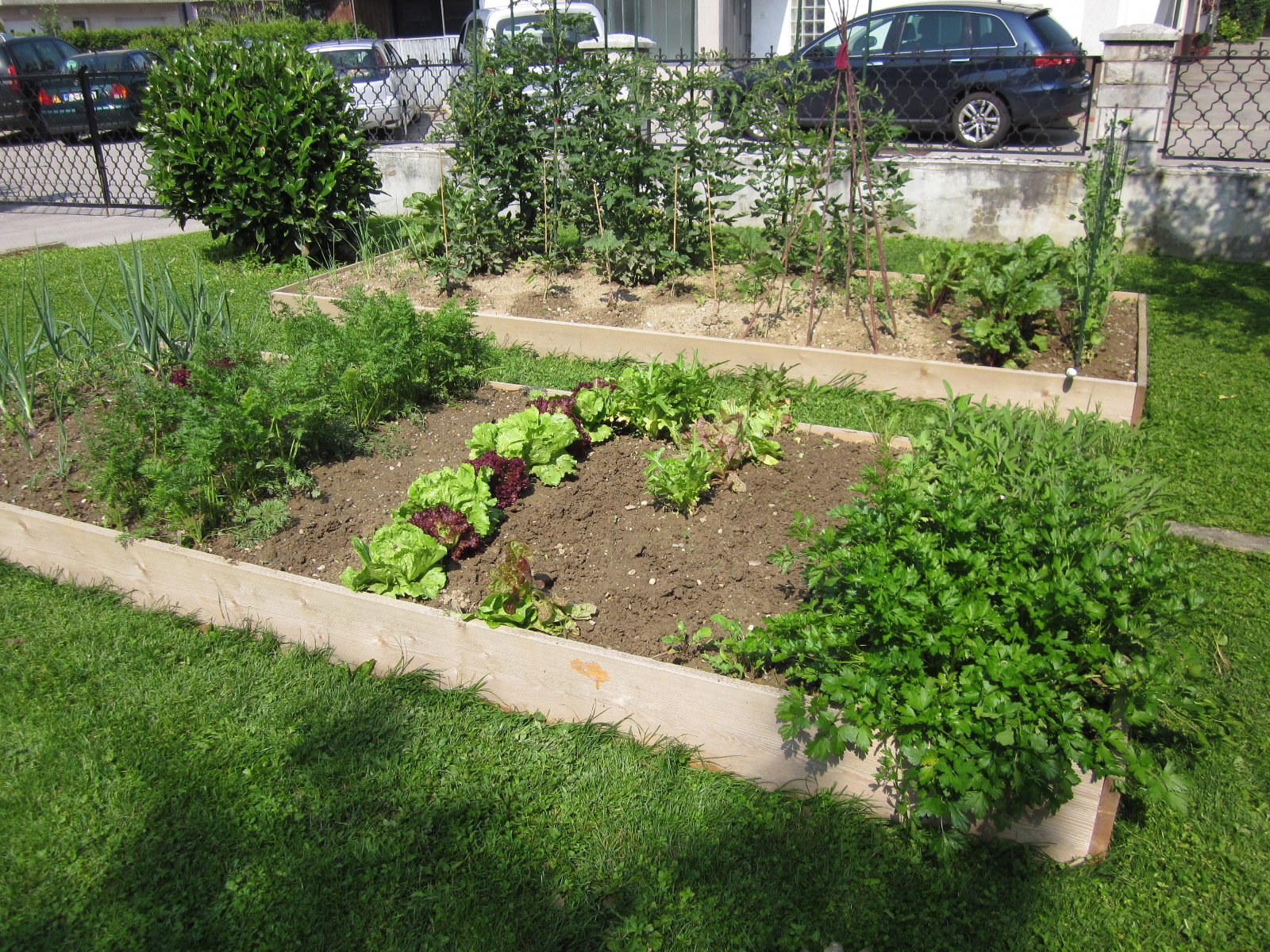
Since we live here by the generosity of Christians throughout the world, we are concerned to use our finances wisely. Obviously we have to pay our bills, but we can minimise the costs as much as we can - we shove all our spare towels between the windows to reduce winter drafts. Furthermore we have an attitude towards finding savings and long term quality, rather than spending or using something that will break quickly. I think toys fit into this category. Plus there is nothing better than being frugal - we minimise driving the car and don't buy unnecessary furniture. We're probably not very old-school compared to other missionaries when it comes to frugalness. Also DIY is long term cheaper too, so we have built our own gardens for food and continue to recycle our (own) tea bags.

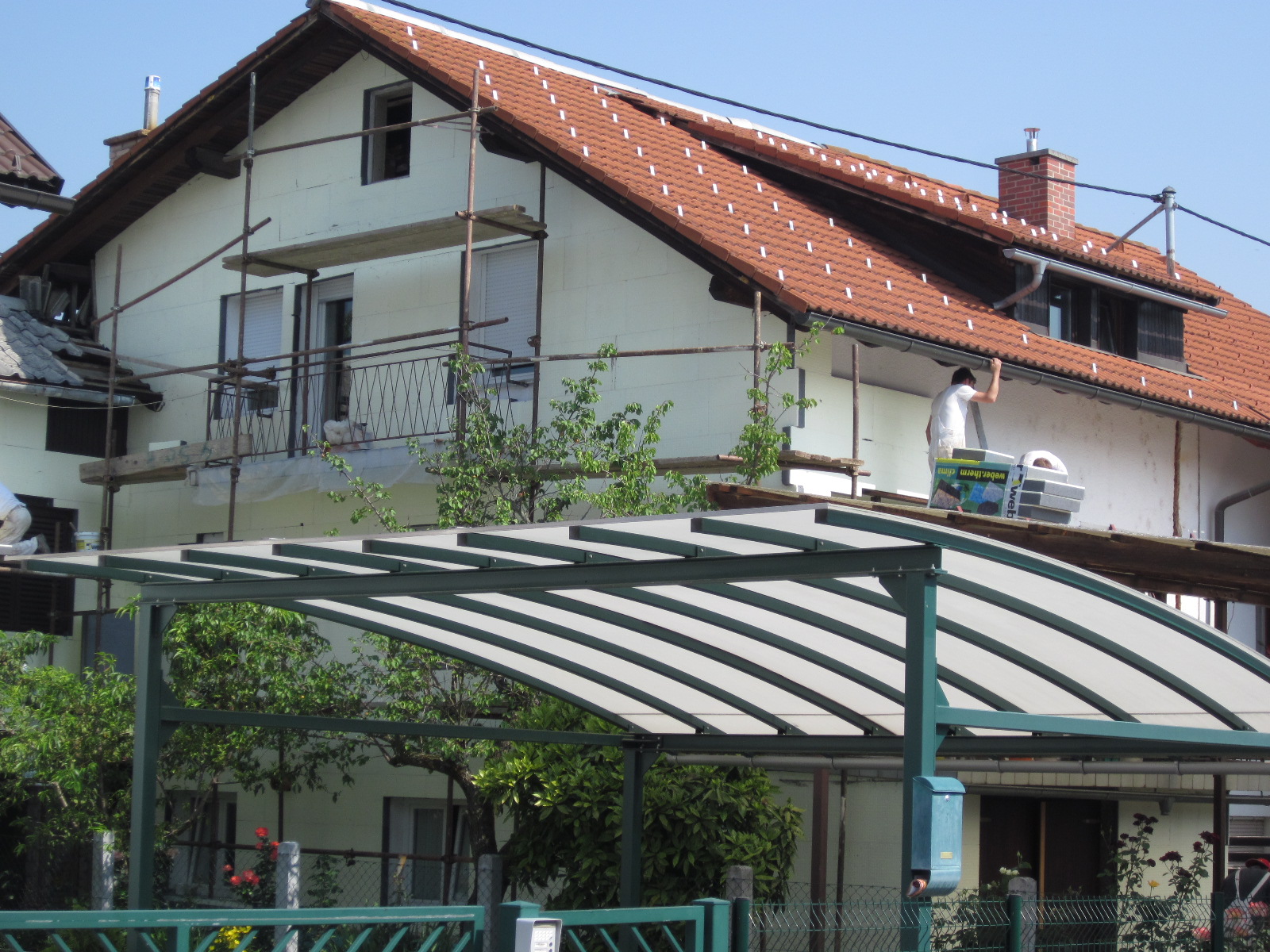
By far our most outrageous bill is the winter heating. Unfortunately there is little we can do about it. One of our neighbours has started putting a layer of insulation on his house. This is by far the best way to retain heat during winter and to keep cool during summer (see this advertorial i.e. its an advert but written in a way that people will be deceived into thinking its wise opinion). So here comes one of those missionary stories...

I was chatting with my landlord this morning and mentioned how our neighbour is putting the insulation on the house. Despite identifying the age of our accommodation, the expense of winter heating, the benefit to the house, and so on, my landlord said bluntly he would never get insulation for us. Obviously it is a big cost. And he doe not expect us to be around long enough to make it worthwhile, despite showing him my shiny new permanent residency card (valid until 2022!). At the end of the day he was not paying the bills. Our concern for costs is not his concern.

Unfortunately, most Slovenes we talk to about the gospel of Jesus Christ take the same approach. My concern about God's judgment and salvation through Jesus Christ are of little concern to people who want to live their lives their own way. I suspect most people are more aware of the cost of that decision than they make out, but their minds have been made dull to the consequences.

As the end of the financial year draws closer, we continue to be thankful to our supporters. Without their generous provision, our heating bills would be the least of our concern. Without their generous provision, more people would be deaf to the real concerns of life without Jesus.

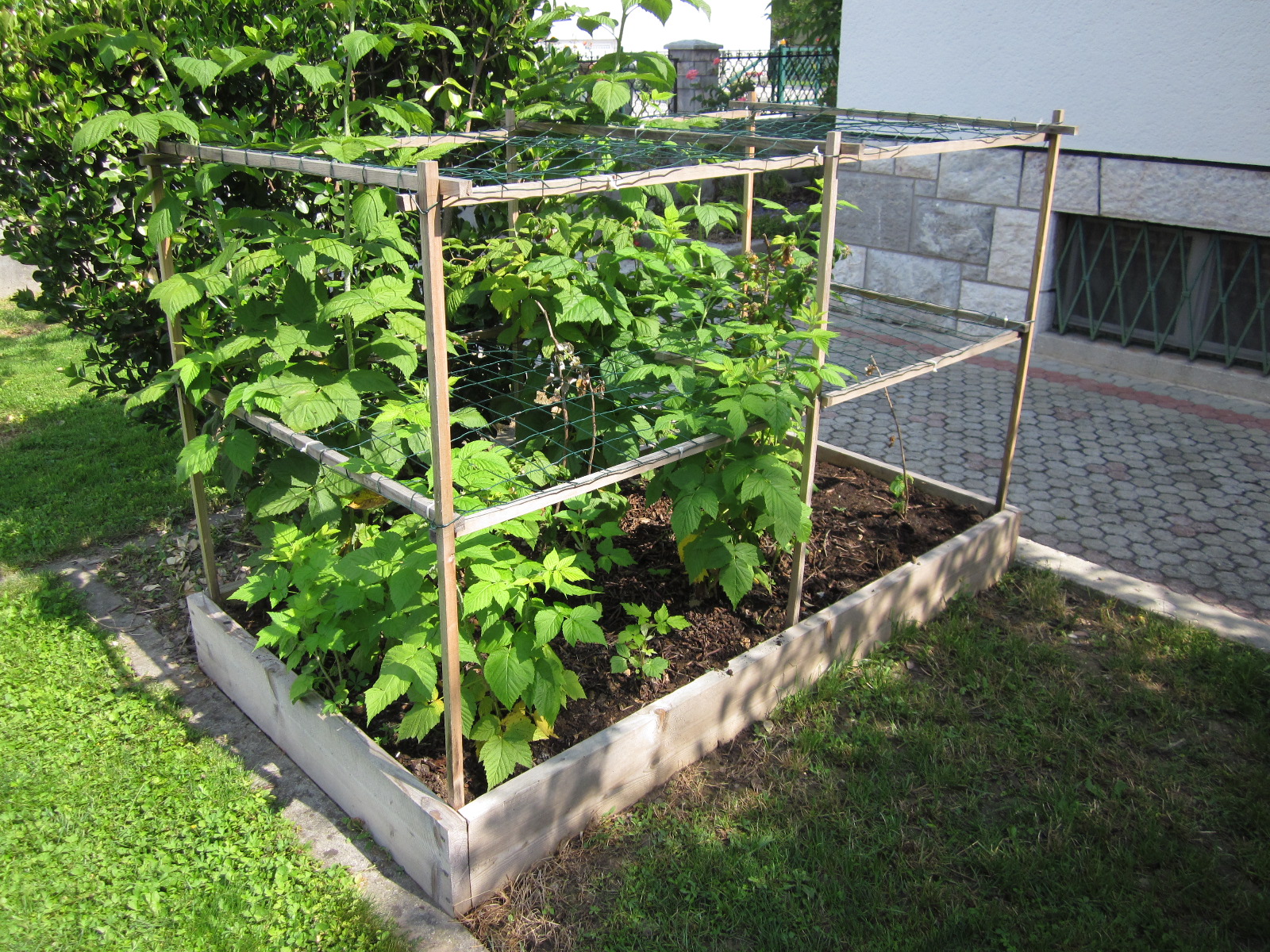
In the meantime, please enjoy our dessert-cost-cutting-measures, or in other words, our raspberries...

European Leadership Forum 2012 Conference Review

06 Jun 2012

What is the greatest need for Christianity in Europe at this present time?


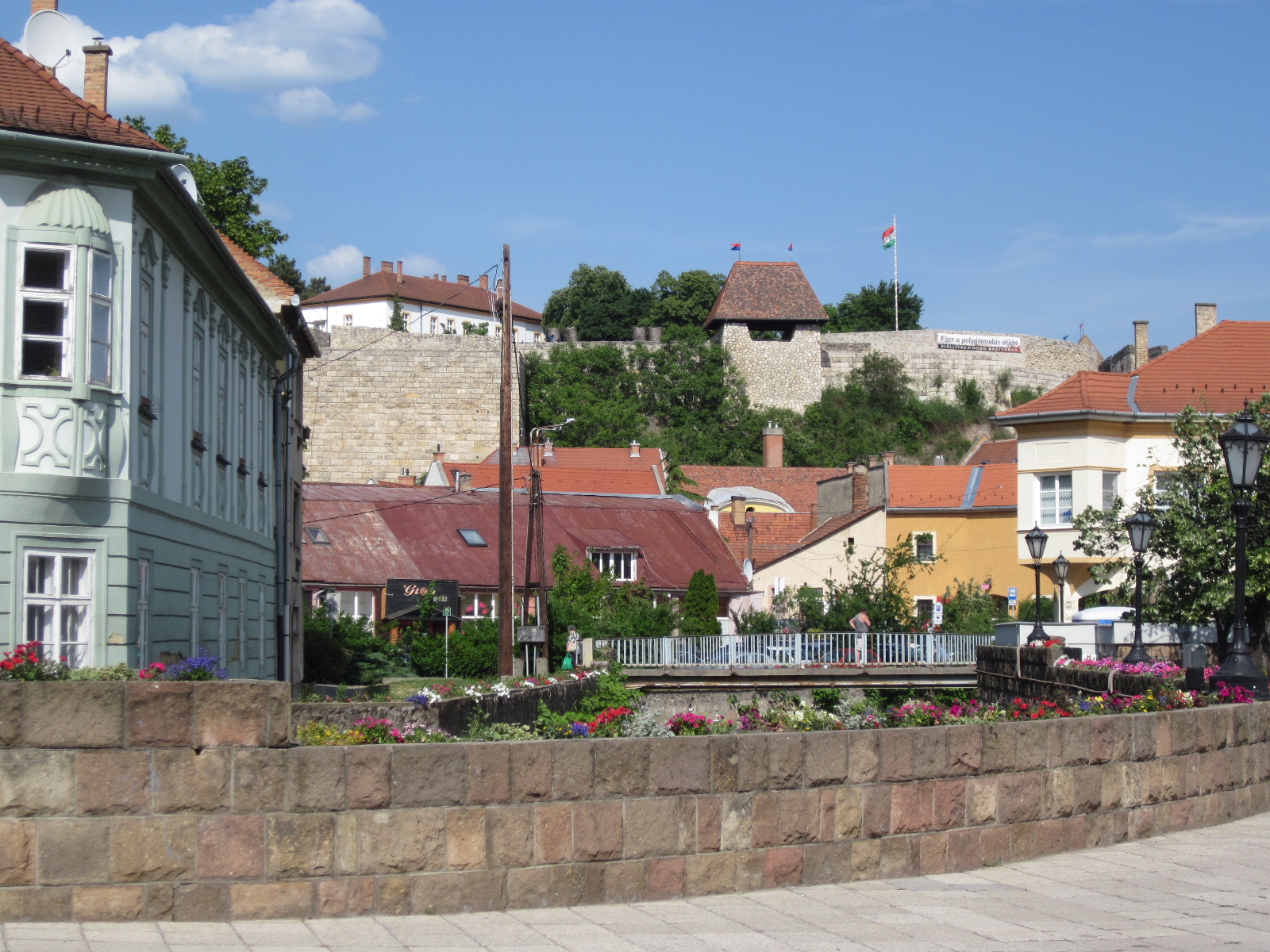
Eger's castle


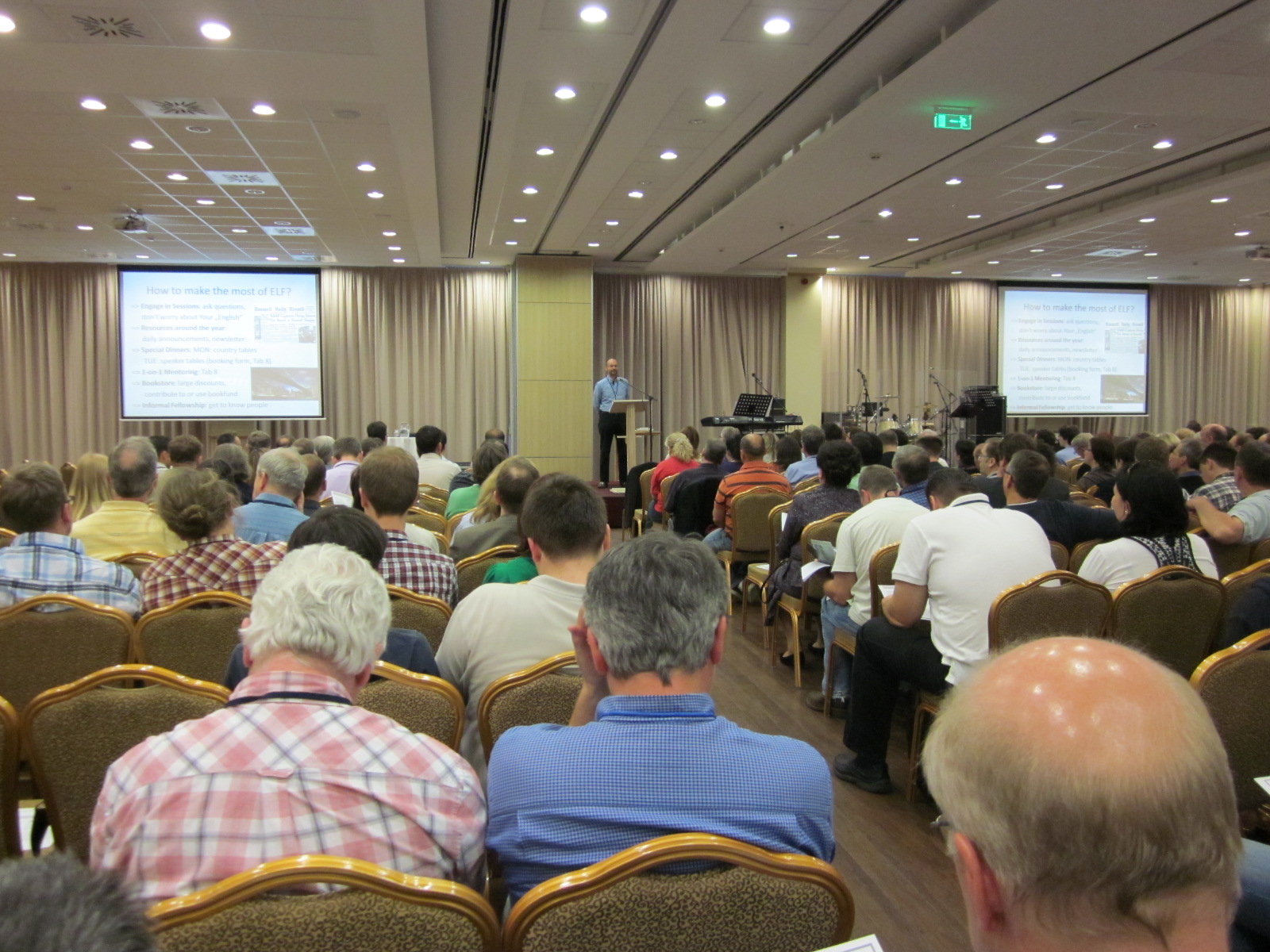
That is a pretty broad question to ask, but it was in the back of my mind as I went to the 2012 European Leadership Forum (ELF) conference in Eger, Hungary. In order to make the most of this conference, I had considered this broad question as well as what are some of my personal and the Slovenian issues we face as Christians, and how such a conference could aid in answering these things.

The Forum is clear on what its is trying to achieve, not just at a conference, but throughout the year through their networks (see the conference website for a list of the Forum's goals). Our work in Slovenia would fit into several of their categories. For example, we all want to present the gospel confidently, lovingly, and persuasively. Likewise, we want to find efficient and effective strategies to reach into Slovenian culture with the gospel. As a pastor, I want to develop my gifts and abilities in teaching and pastoring. At a conference there is obviously an opportunity to have a concentrated time of working through these aims and organising leaders to achieve these goals.

So let me reflect upon how the conference went about fulfilling these aims and how they are seeking to answer the needs of God's church and gospel work in Europe. Firstly, some background on the participants and what actually happened.

The ELF Conference


Main Sessions

This year the conference hosted over 600 participants from countries all around Europe. The main speakers for the morning and evening talks came from England and the USA, and featured influential Christians like John Lennox (mathematics professor), Oz Guiness (influential social commentator), and Lindsay Brown (of the IFES Gen Sec and Lusanne fame). The various sessions were lead by Europeans like Stefan Gustavsson (who did some debates in Slovenia at the universities in ~2009/10). There was also a large group of Americans at the conference who basically served everyone through ushering, recording all talks and sessions, videoing all talks and sessions, organising feedback forms, running an information desk and book shop, etc.

After a large buffet breakfast (I promise I ate sensibly!), John Lennox gave Bible talks on the book of Daniel (you can find a large collection of similar ELF 2011 talks here and I believe the 2012 talks are now available). Then we all split into various network groups until lunch time. I attended the Bible teachers and Preachers Network strand for first time participants. There are about 18 different networks from University Evangelism, to church planting, to Apologetics, to Scientist and Theologian strands.

After lunch there were two workshop sessions each day which covered a large range of topics. I suspect some of these topics were making specific strand information available to a wider audience, for example, preaching techniques or apologetic issues. However these sessions were mostly new material and covered topics from recent archeology discoveries to family issues to numerous other passions and concerns from a Christian perspective.

Each evening sessions was primarily a talk by different speakers on different topics, but all were probably of concern to European leaders e.g. families, freedom, pressure and stress in life, and mission. One evening was an arts/culture appreciation night.

So how did the ELF conference help me and help towards addressing gospel needs in Slovenia? From my perspective (which I have clarified below in an Appendix), Slovenia needs churches which are lead by men who are able to teach Scripture, who are able to proclaim Jesus Christ as Lord, and who are able to equip Christians with Scripture so that can also make disciples.

An Assessment

Firstly, the Bible Teachers and Preachers network strand was fantastic (although the final day was a bit wasted and we didn't finish all our course material). The main training we did each morning was how to read a Bible passage in its context (exegesis), understand what it meant for its original audience then understanding what the passage means for us (interpretation), and how it applies to us (application). I have covered and even taught such material before on numerous occasions. Am I bored with it? Never! This is exactly the type of training I need to be continually reminded of, especially if I am going to be a faithful Bible teacher and preacher. I need to help people understand God's Word, to allow God to speak to people, rather than using the Bible for proof-texting or as a spring-board. That is, I need to be reminded and shown how not to use Scripture to tell people what I want them to hear, and to show from Scripture what God is saying. My understanding of God's Word calls me to be an expository preacher and anything less is not evangelical.

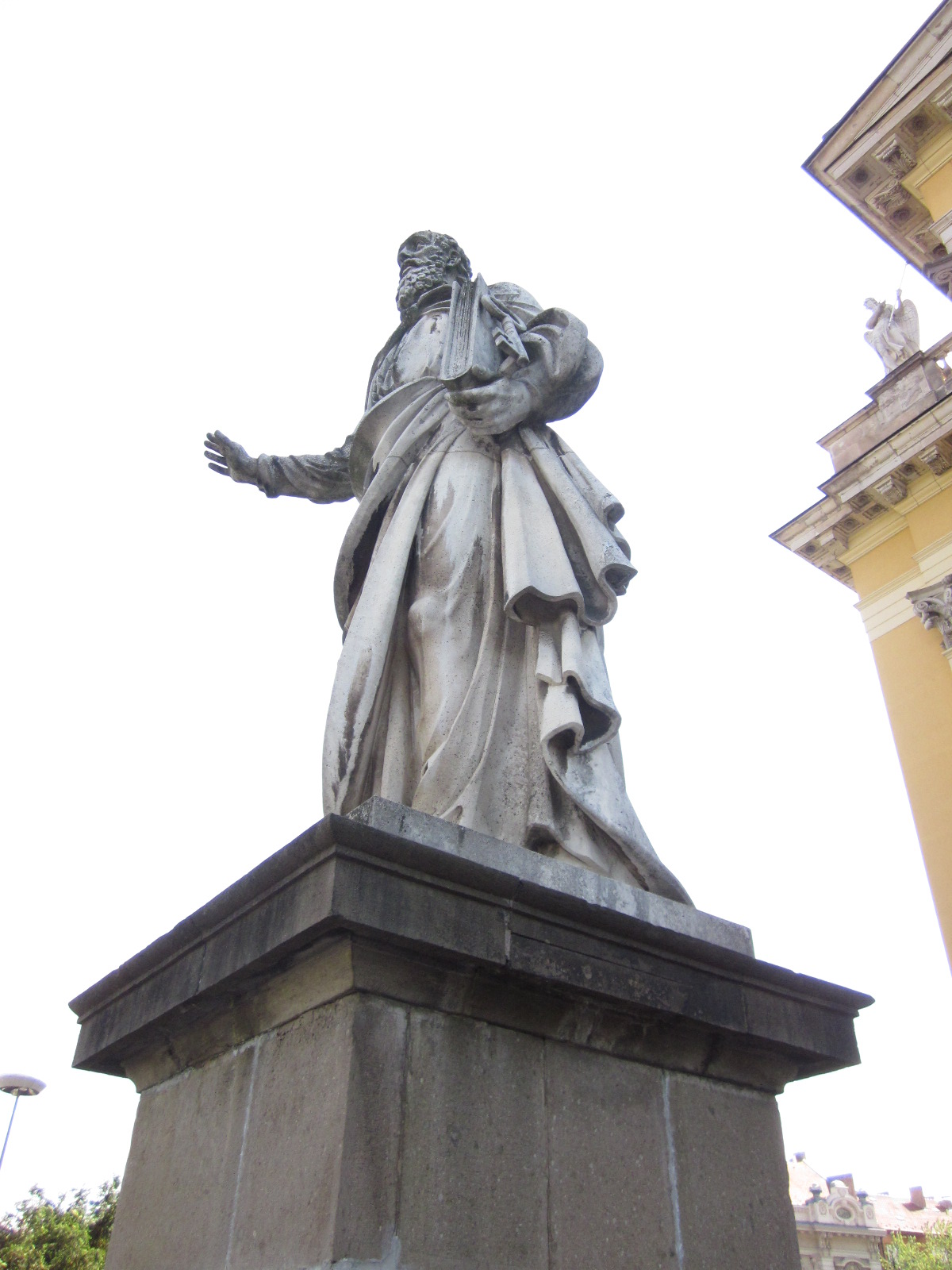
Statue of Apostle Peter outside Eger Cathedral

Unfortunately this strand was not particularly good for networking. The other men and women in the strand are working in their own contexts (e.g. churches) throughout Europe. Likewise for the men teaching the material. I hope in the future that similar training from experienced pastors will be run for other Slovene pastors through working with organisations like the Langham Partnership. I'm praying that God will be raising up godly, evangelical Slovene pastors with whom we can network and utilise such training.

Furthermore, I think it is unfortunate that the methods and material we looked at during the Bible Teachers and Preachers network was not illustrated in the main sessions of the conference. Consider John Lennox's studies from Daniel. His talks were excellent as far as illustrating how God speaks to us now through his Word, showing us how we can face similar opposition from society as its wants to change our identity, values, worship of God, and so on. A whole first talk on the structure of Daniel was probably excessive, but it showed us the need to understand all passages in their literary context. And John's teaching against liberal theology was excellent, showing how God used prophecy to tell Daniel very specifically what would happen in the future.

However, John seemed extremely hesitant to mention Jesus Christ. Often it seemed John held some sort of dispensational perspective that didn't allow him to see Jesus Christ as the fulfillment of the prophecies (as per, say, Luke 24:26-27, 44-49). The final talk ended with a very powerful call to remain faithful and know the Scriptures, but I still can't see from the passages he was working on how he came to this application. Powerful and right, but it was more John's message and passion than God speaking to us from Daniel. The evening sessions were interesting, however I feel they were a lost opportunity to feed and encourage us even more in the Scriptures. It seemed there was enough opportunity to hear these speakers during other afternoon sessions, so I am unsure the reasoning for the general topics covered during the evening times.

Although the question "what is the greatest need..." is probably not the best to ask, it is helpful for considering how we should use our limited time, energy and resources (I am also tempted to say that the word 'greatest' in the question probably misleads us). I think it is vital for God's people in Slovenia and Europe, that we have trained and mature pastors and teachers, who are clearly teaching what God is saying in Scripture, so that Slovene Christians (and Europeans) are equipped for disciple making and serving others. Such pastors and teachers could work in numerous serving contexts (churches, universities, amongst children, etc). The ELF conference was helpful for clarifying this to me, however the whole Forum is so diverse, that 'my greatest need' is lost amongst all the other issues in Europe. However I personally found many talks and sessions very encouraging and continue to pray and work towards the spread of the gospel of Jesus Christ and growth of God's people through the clear explanation and reading of Scripture.

So what would you consider the greatest needs of Europe?


Appendix: The Criteria for my Assessment

It is probably helpful for me to clarify my criteria for assessing such a conference. Some of this will be implicit and other parts it will be helpful to explain. For example, I cannot speak about everything at the conference because I didn't hear everything. Furthermore I cannot comment on all the network strands because I didn't attend them. Consequently, a large percentage of the conference is beyond my assessment. Likewise, the conference was my first major exposure to ELF, so I am well aware I do not have a broad understanding of all parts of ELF.

Before the conference, I had thought that I should approach the conference as "an assistant missionary pastor of REC" and "with a concern for God's church in Slovenia". So my initial focus was seminars which would help me grow as a pastor (including personal life, family, training as a pastor, etc.), rather than considering all areas of ministry in Slovenia (e.g. universities, children, church planting, etc). As a missionary assistant, I was concerned that our Slovenian Pastor, who also was attending the conference, was being trained and equipped as a pastor. So we chatted a lot about what we heard and our impressions of the teaching. Furthermore I wanted to attend seminars which helped train me in leading and serving the people of REC (our church). Because ELF has a primary strategy of networking with other Christian leaders, I also considered how we could build God's church in Slovenia (again, from a pastoral perspective).

Eger Cathedral (or courthouse?) - I like the statue of the Apostle Paul

To consider what God is doing throughout the world should also be clarified, because people tend to approach this differently depending on their 'church tradition'. My presupposition is that God is continually working by his Holy Spirit as the news about Jesus Christ is proclaimed. The 'gospel' is this message about Jesus, often called the Word of God. The Bible is also called the Word of God, because foundationally it is in the Bible that God and his gospel about Jesus is revealed. So Scripture is everything necessary to knowing and growing as either a non-Christian or a Christian.

Consequently, this work of God through Bible explanation and gospel proclamation both calls non-Christians to trust in Jesus as their Lord and Saviour, and it builds Christians in faith in and obedience to Jesus Christ. So in my mind, to be "Evangelical" is to be of a tradition which has a thoroughly biblical gospel - a gospel completely informed by Scripture, and which allows God to speak to its hearers. God delights in his people proclaiming this message and teaching others so that they can serve God in other ways.

Note: I would love to add lots of Bible verses to this section, but this post has blown out too much already.

[This blog has been reproduced from another blog report I produced for our church.]
Considering Catholicism from a Vatican perspective

11 Apr 2012

I want to share with you a valuable resource for understanding Roman Catholicism at the top levels: Leonardo De Chirico's Vatican Files.

Slovenia is traditionally a Roman Catholic culture. Due to Slovenia's communist history and the rise of the new-atheists in the university system, many younger Slovenes would claim to be atheist. Yet the majority of people would say still they are members of the Catholic church (and I suspect that their attendance would really stretch a normal definition of the word 'member').

Consequently, we consider it to be important to know and understand the Catholic culture if we are going to proclaim Jesus Christ in Slovenia. We have found the trick here is that every person has a very different perception of their Catholic culture. One person you meet may be very critical of the RC church from their experiences of it, but they'd never consider leaving it. Another person you meet may have a great desire to share their RC faith with others. Another person may be fascinated by the spiritual (or rather, political) situation in Rome. Another might be somewhat indifferent to Catholic traditions, desire to read the Bible with you, and even visit other churches with the full knowledge they're not RC churches. Once you start adding in people's different understandings of practices, different definitions of biblical terms, life experiences, and so on, then you really have to view every person as unique and placed by God in their own context (1 Cor 7:17-24). I've learnt boxing people in neat categories just causes frustration.

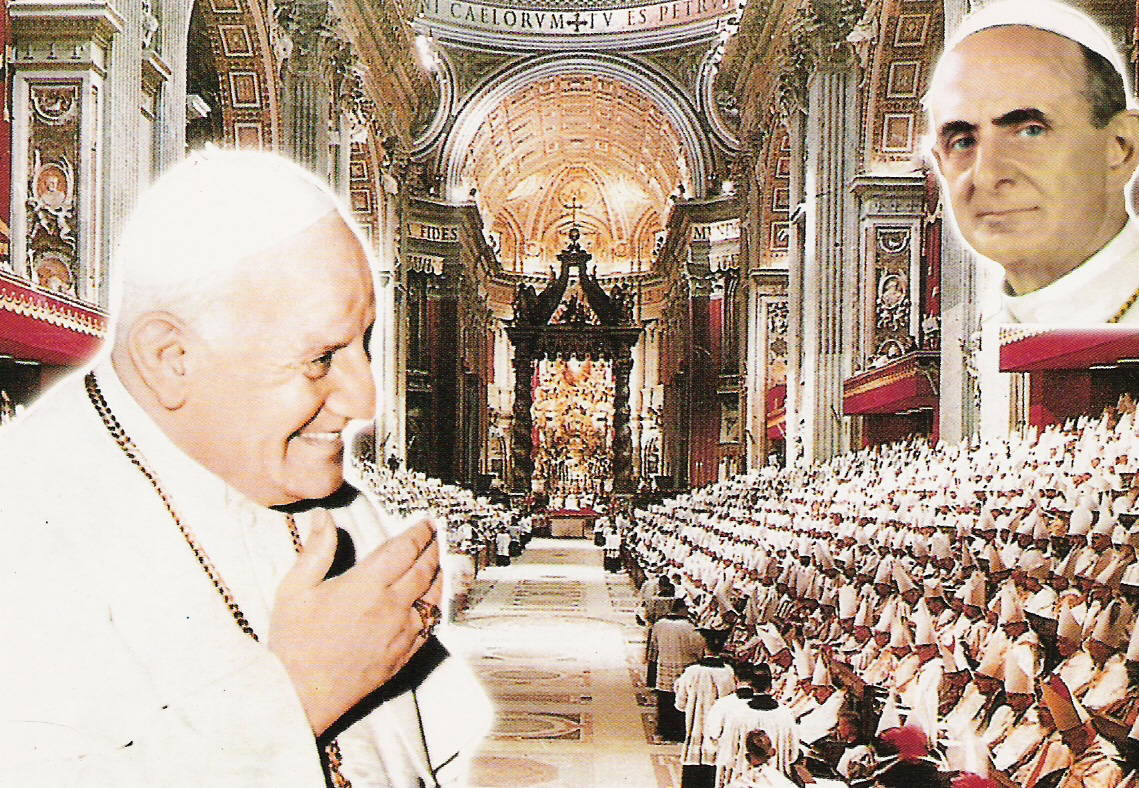
However, I have also found that I do not want to be ignorant of what the RC church is doing and thinking at the top levels. For example, although Vatican II was 50 years ago, it has certainly impacted some Slovenes in their view to the Bible. And to a lot of Slovene's disgust, the RC church tries to be very influential in Slovenian politics. While Slovenes may not be regularly attending church, the RC church will still have some influence on people. So it is worthwhile tracking what they're thinking and doing.
This is where Leonardo De Chirico's Vatican Files are very helpful. Each month Leonardo briefly address an event, issue, or theological concern in the Vatican. Although these things will have little immediate impact on Slovenes, these briefings are helping me to understand Catholicism better. Rather than me telling you about them , here is the Vatican File from March 2012:

Vatican files n. 34

 A Vatican Exhibition on the History of the Bible, with Some Blind Spots

by Leonardo De Chirico

If you visit St. Peter’s square before the 15th of April an unexpected and interesting attraction will be waiting for you. In the Braccio di Carlo Magno (i.e. Charlemagne wing) next to St. Peter’s basilica under Bernini’s colonnade on the right-hand side of the square, an exhibition entitled Verbum Domini (i.e. the Word of the Lord) will call for your attention. The colorful Italian-English brochure that will be put in your hands invites youto “Take a walk through the history of the Bible in this private collection of rare biblical texts and objects of enormous importance”. Admission is free.

Verbum Dominiis also the title of the 2010 Post-Synodical Apostolic Exhortation by Benedict XVI in which the Pope summarized the present-day Roman Catholic interpretation of the Word of God, i.e. a living Tradition which includes the Bible and which the Magisterium of the Church interprets faithfully. The connection between the papal text and the exhibition is clear and signalsthe intent to underline the importance of this topic.

 1. A Fascinating Exhibition …

The exhibit was put together from private collections from around the world, mainly from the Green Collection – the largest private collection in the world of rare biblical texts and documents. Displayed in 8 galleries, 152 rare biblical texts and artifacts showcase the history of the Bible: from ancient scrolls to copied texts to printed volumes of the XVII century; from Hebrew to Greek to Latin and other vernacular languages; from Qumran to Europe to the rest of the world.

            Here are some of the highlights of the exhibition:

-          Codex Climaci Rescriptus—one of the earliest-surviving, near-complete Bibles containing the most extensive early biblical texts in Jesus’ household language of Palestinian Aramaic.

-          Scrolls

-          The Jeselsohn Stone or Gabriel’s revelation, a three foot tall, 150 pound sandstone tablet discovered near the Dead Sea in Jordan containing 87 lines of first century BCE Hebrew text.

-          The Gutenberg Bible Book of Romans, the first book printed in the West with moveable typeset printing.

-          Complutensian Polyglot, the first multilingual edition of the entire Bible.

In the first gallery, there are also two half-burnt scrolls of the Torah that escaped from total destruction attempted by theNazis and Stalinists. They are a moving testimony to the on-going battle that surrounds the Bible.

2. The Inter-faith and Ecumenical Intentions

The exhibition has an ambitious goal. In the organizers’ words, “the Verbum Domini, specifically, is a way of celebrating the interfaith love that many traditions have for the Bible, and we believe that is a way of sharing that with the world”.  Jewish, Eastern Orthodox, Catholic, and Protestant traditions are all represented in it. From the Vatican side, here is what Cardinal Farina, Prefect of the Vatican Library, said about the exhibition at the inauguration: “The title Verbum Dominiwas chosen to highlight the ecumenical conception of this exhibition, and also its venue here at the Vatican. The origin of the documents, the prevalence of the Green Collection, and those from other collections highlight the participation of the Christian denominations. Because in reality, the Bible unites, even though so many think it does the opposite, it’s actually a very strong point of union”.

            Fair enough. But why is it that on the brochure that is distributed at the entrance one reads that “this exhibit celebrates the dramatic story of the Catholic contribution to the most-banned, most-debated, best-selling book of all time”?Has the broad contribution to the history of the Bible become a Catholic contribution alone? Perhaps this is a mistake madeby a zealous editor, but it reflects the provincial culture that each institution (Vatican included) can fall prey to.

3. The Missing Story

The most puzzling point, however, is what the exhibition does not say about the history of the Bible. The unsaid is as telling as what is said. The whole trajectory of the suggested narrative is “linear” to the point of being historically untenable. The given picture is that the “modern” translations of the Bible in vernacular languages spread out across the Christian spectrum and that each sector of the Christian church championed their diffusion.

The reality is very different.  Since the XII century the Roman Church has in various ways banned the circulation of Bibles in the peoples’ languages. These bans lead to the compilation of the 1559 Index of Librorum Prohibitorum (Index of Prohibited Books) by Pope Paul IV where Bible translations were among the forbidden books. The vehement attack by the Tridentine Church towards the translations of the Bible allowed historian Gigliola Fragnito to speak of “the Bible on stake” to describe what happened up to the XVII century in countries dominated by the Catholic Church[1]. That ban lasted for centuries. The true story, therefore, is not the mild, peaceful, ecumenical account of the Verbum Domini exhibition.  

The Bible is a shared heritage for Christians and this truth is beyond dispute. Therefore historical exhibitions on the Bible should aim at telling the story in a fair and accurate way rather than pursuing wishful ecumenical readings which are partial, selective, and therefore misguiding.

[Copyright 2012 Leonardo De Chirico. Used by permission]

If you would like to regularly receive these briefings, send an email to Leonardo (leonardo.dechirico [at] ifeditalia.org).

Again, you can't box every Roman Catholic or Slovene into a neat category of agreeing or disagreeing to what is happening in Rome. But knowing what the top hierarchy is thinking and doing may be helpful to understanding their culture better.


[1]Gigliola Fragnito, La Bibbia al rogo. La censura ecclesiastica e i volgarizzamenti della Scrittura, 1471-1605 (Bologna: il Mulino, 1997). More recently the same scholar edited the volume Church, Censorship and Culture in Early Modern Italy(Cambridge: Cambridge University Press, 2001).

Our reasons for being (Slovene Government perspective)

22 Mar 2012

At the moment we are in the middle of re-organising our visas. Everyone who desires to live for an extended period of time in another country must give reasons to the government for why they should have permission to stay in that country. I can understand their concerns. You do not want people just turning up and taking benefit of your country, taking up space or jobs, not contributing to society (i.e. paying taxes), and so on. For a start this usually annoys current inhabitants who vote you into government. Consequently, there are usually processes for people to apply for visas - the official government tick of approval.
Visas usually come in a variety of forms. Most tourists get their passports stamped with a 3-6 month tourist visa when they arrive in a country. There are visas for permanent residency, temporary residency for work purposes, voluntary work visas (for when you are financially supported outside of the country), visas so families can be united (i.e. spouse and children can live with their working spouse/parent), and no doubt numerous other options. Since Slovenia has a long history of Roman Catholic association and influence, there are nice categories for religious work visas as well. I fit into a sort of mix of all these. For the past 8 years I have had a temporary residency visa because I am a voluntary worker who has been invited to work for a Slovene religious society (and that in itself tells you a lot about Protestant Christianity in Slovenia). Rochelle and the children have had temporary residency visas based upon the unification of families.

Now visas tend to be issued for varying lengths of time. My current visa (which expired last week) was for 3 years - its still a shock that it was for so long. The rest of my family seem to have had a very random duration for their visas. It has basically meant that every year I have submitted applications for someone in our family.

So you would expect that by now we would know the application process back to front. I wish it was. Unfortunately, there seems to be an on-going communist influence in the Slovene bureaucracy. Despite the Office for Foreigners having a marvelous new, clean waiting room and a superb ticketed and calling system (I think its more simple than the NSW Roads and Traffic Authority system), you still need to get your application past the person at the front desk. They make the decisions on what is acceptable and what isn't, despite everything being processed in the back-offices.

So my recent visits to the Office for Foreigners has turned, metaphorically, into a light-bulb joke. How many visits does it take for your visa application to be accepted at the Office for Foreigners? Hmm .. once to get the forms; another time I was rejected because I needed to have the whole family present; another time because I assumed that upgrading my visa to a more permanent form would be possible, but it isn't, because I need to have the old form of visa more current than a month, even though they don't accept applications earlier than a month, so I had to fill in forms and apply for 2 different types of visas at the same time and our mission organisation isn't going to like the look of that expense next month....argh!

Even though I have submitted a huge collection of forms and documents, I have been told my passport photo does not fit their required dimensions (yeah .. I don't get that one either). So I'll have to take in a new photo. Plus I am still waiting on birth and marriage certificates to come from Australia with Apostile Stamps no longer than 6 months old in validity that have been officially translated into Slovene... I trust you get the picture.

Here is the point: while it can be a bureaucratic nightmare to organise our visas, I am very thankful to God that we have the possibility of obtaining them. We fit into a category which allows us to do solid gospel work full-time, rather than seeking another form of access. It is a stress and time consuming for a few weeks, but so far we haven't faced any major hurdles or been asked to leave. Hopefully our current application will be the last time we need to apply (we're all trying for permanent residency).

Thanks for giving me a shoulder to cry on. I trust the Office for Foreigners don't read too many blogs .. I would hate to have to go in again for the purpose of bursting into tears.

Bog?

19 Mar 2012

So why the "Slovenia Bog blog"?

Well I trust the "Slovenia" (location) and "blog" (communication medium) parts of the blog title are clear enough. So what about "Bog"?

Basically, the Slovene word for God is 'Bog'.

Whenever I think about this, I am reminded of the atheist dyslexic insomniac, who stays awake all night wondering if there really is a Dog.

Maybe there is an example of language learning right there.

Jokes aside, it seems appropriate to call a missions blog, a Bog (i.e. God) blog, since mission is an outworking of what God is doing in the world through his church. I don't think I will have much time to go into great theological depth concerning such things, but we certainly want to share what God has been doing in Slovenia through his church and through us.

So I trust that gives you a little bit more of an insight into our blog title. Hopefully something a little bit more meaty next time.

March 2012 Prayer Points

27 Feb 2012

Dear Friends in Christ,

Today our children went off to preschool dressed as Spider Man and a beautiful Princess! This is not our normal habit, although if Philippa had her way it would be! The past few days we have been celebrating “Pust”. This is basically carnival time in Slovenia, with the aim of scaring away winter and welcoming in Spring. While we don’t support the superstitious undertones of this, at the end of a cold winter it is fun to dress up and look forward to sunshine, flowers, warmer temperatures and spring. As I write this today, the sun is shining and the snow is melting.

Here are some prayer points for the month...

  • A few weeks ago we had a television crew come and film our REC bible study group, for a  “religious” program that is run regularly on national TV. The program seeks to  inform people about different religious groups in Slovenia, so we were happy for them to come and see what we do and why. Pray that when the program goes to air, people who see it might be challenged to read their Bibles and consider the truths of the Scriptures. We hope that it will also be positive advertising for our church.
  • Our women’s bible study group have come to the end of our study of Galatians. We were all particularly challenged by the practical instructions of the last chapter; to make sure our actions are in step with a Spirit filled life, to carry each other’s burdens and to not become weary in doing good. Pray for us as we seek to live this out in our day to day lives. We all decided that for our next series of studies, we will look at the topic of “contentment”. For this we will be following a series of six studies produced by the Good Book Company in England. This is an area that many women (all over the world) find challenging. Please pray that God will help us to understand his will for our lives and give us the gift of contentment.
  • It is visa time again! Mark received a temporary working visa several years ago, and the rest of the family have had visas for shorter durations over this period. It has been a blessing that we have been able to obtain visas during the past 8 years without too much hassle – just a lot of paperwork. All our visas are again due for renewal at the end of March, so Mark has been collecting all the documents in order to obtain permanent residency here. This is taking our residency status here to a new level. The only real benefit of this is the reduction in effort required to continually renew visas. We are hoping it has tax implications, allowing us to pay tax here (which we wouldn’t because we don’t earn enough), and hopefully will result in lowering schooling fees for the children. Please pray for a smooth visa application process.
  • Praise God that our health has been considerably better over the past month. Thanks for your prayers. The children still have niggling colds, but overall we are enjoying much better health.
  • On the home front, Rochelle has been busy with school enrolments for Matej (he will start at our local school in the new school year starting September) and organising for Philippa to transfer to the preschool around the corner from our new house (also in Sept). We are very thankful that we already know the principal and her assistant at the preschool, as the children’s current preschool comes under this main one. They have been very kind to us in allowing her to transfer and making it as smooth as possible for us (a very rare thing!). Although it is while off, please pray the both children will be put in good classes, with teachers who can accommodate non-native speakers.
  • We are looking forward to Rochelle’s parents joining us for a few weeks at Easter. It will be lovely to spend time with them and have some extra helping hands around the house. The children are already counting the days until they come! Pray that we will have good quality time with them and that we might be able to recharge our batteries a bit while they are here.

In Christ,

The Groombridges

An Introduction

07 Feb 2012

Greetings! Welcome to the new blog for Mark & Rochelle Groombridge.

For our first blog, we just wanted to introduce ourselves and let you know a little bit about what we are doing in Slovenia.

Peter & Lidija Novak

Rochelle and I have been in Slovenia for 8 years now. We were invited to work alongside pastor Peter Novak, who is a Slovene we met while studying at Bible College in Australia. We serve the people of Reformirana evangelijska cerkev, which is easily translated as the Reformed Evangelical Church. The acronym REC fortunately works in both Slovene and English, however we usually use the Slovene sounds, hence we say RETS (a 'c' is Slovene sounds like the 'ts' you make when using the Russian title czar or tsar).

The church consists of about two dozen men, women and children. We are committed to teaching Slovenes to know God and his Son, Jesus Christ, through reading the Bible. We will obviously talk more about the challenges we face doing this in later blogs.

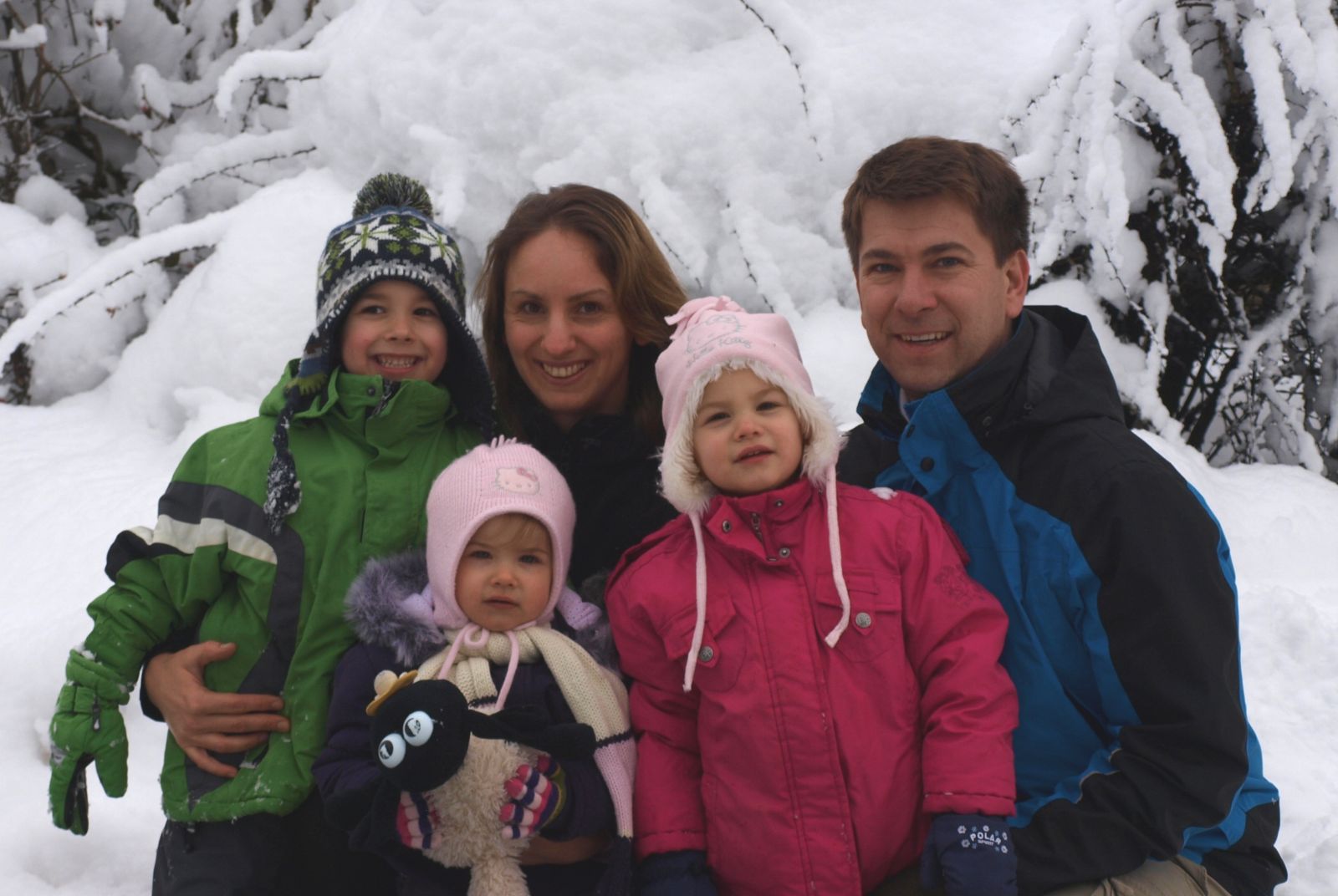
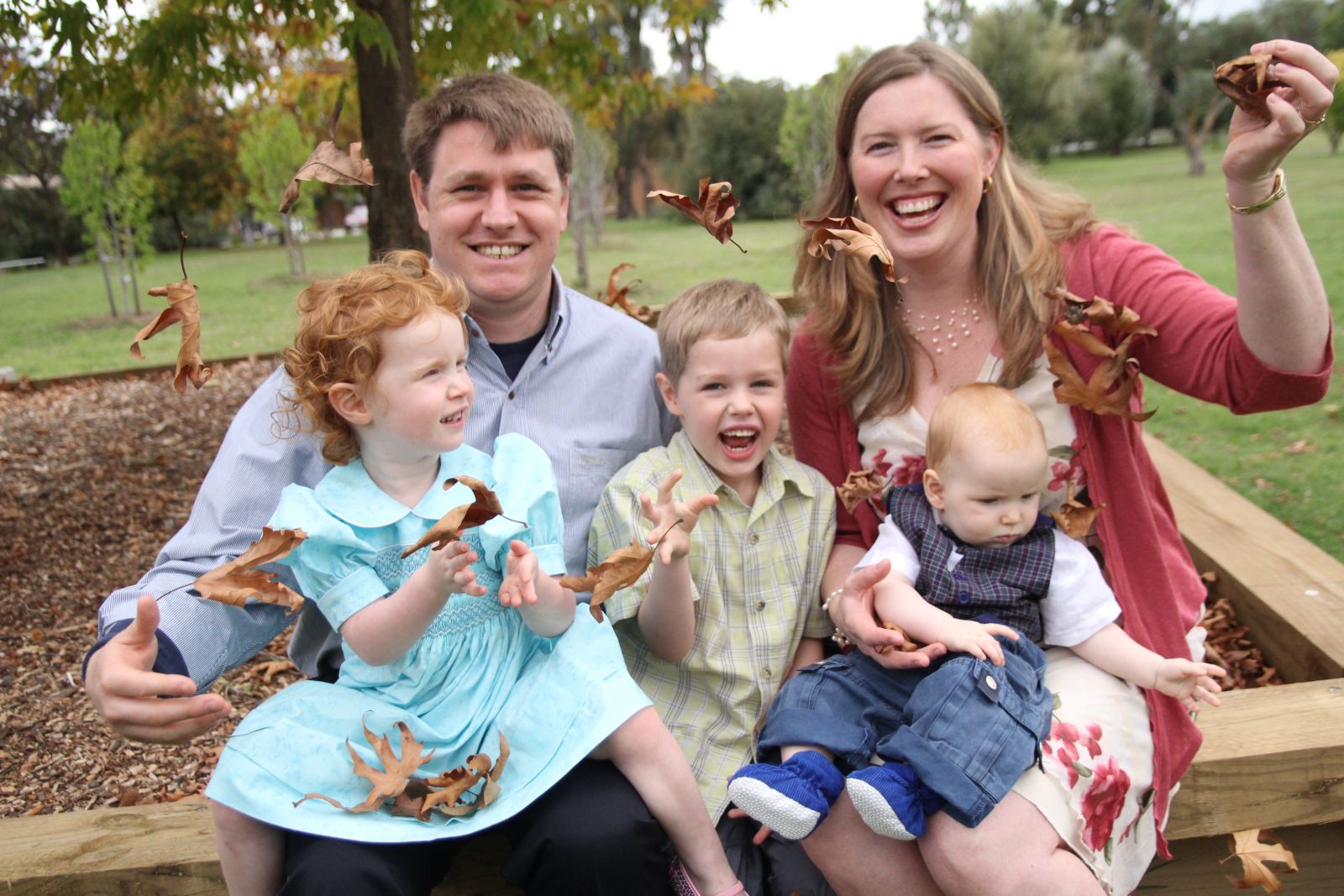
Rochelle and I have three children. Our eldest son is Matej (this is the Slovene form of Matthew and said like Ma-tae), who was born in Slovenia in 2006 and attends a local pre-school every day. He really enjoys playing with Lego, wrestling with his Dad, and watching cartoons. Philippa was born in Australia in 2008, while we were in Sydney visiting our sending churches. She also loves pre-school, going to exercises, and doing anything which involves playing with other people. Calvin is our youngest and he was also born in Slovenia in 2010.

Through this blog we have several goals:

  • We want to provide you with another avenue to hear about what we are doing here in Slovenia through us
  • We want to share some of the challenges we are facing.by living in a different culture
  • We want to encourage you to pray for what God is doing here and around the world
  • We want to encourage you to consider how you can serve God's church throughout the world

We are thankful to Missionshub for allowing us to join them in their project to promote God's mission through modern internet features. We trust this blog will be fruitful in bringing glory to God.

Subscribe to RSS - Slovenia Bog Blog's blog