WHAT TO DO WHEN THE KEY IS LOST?

05 Oct 2012


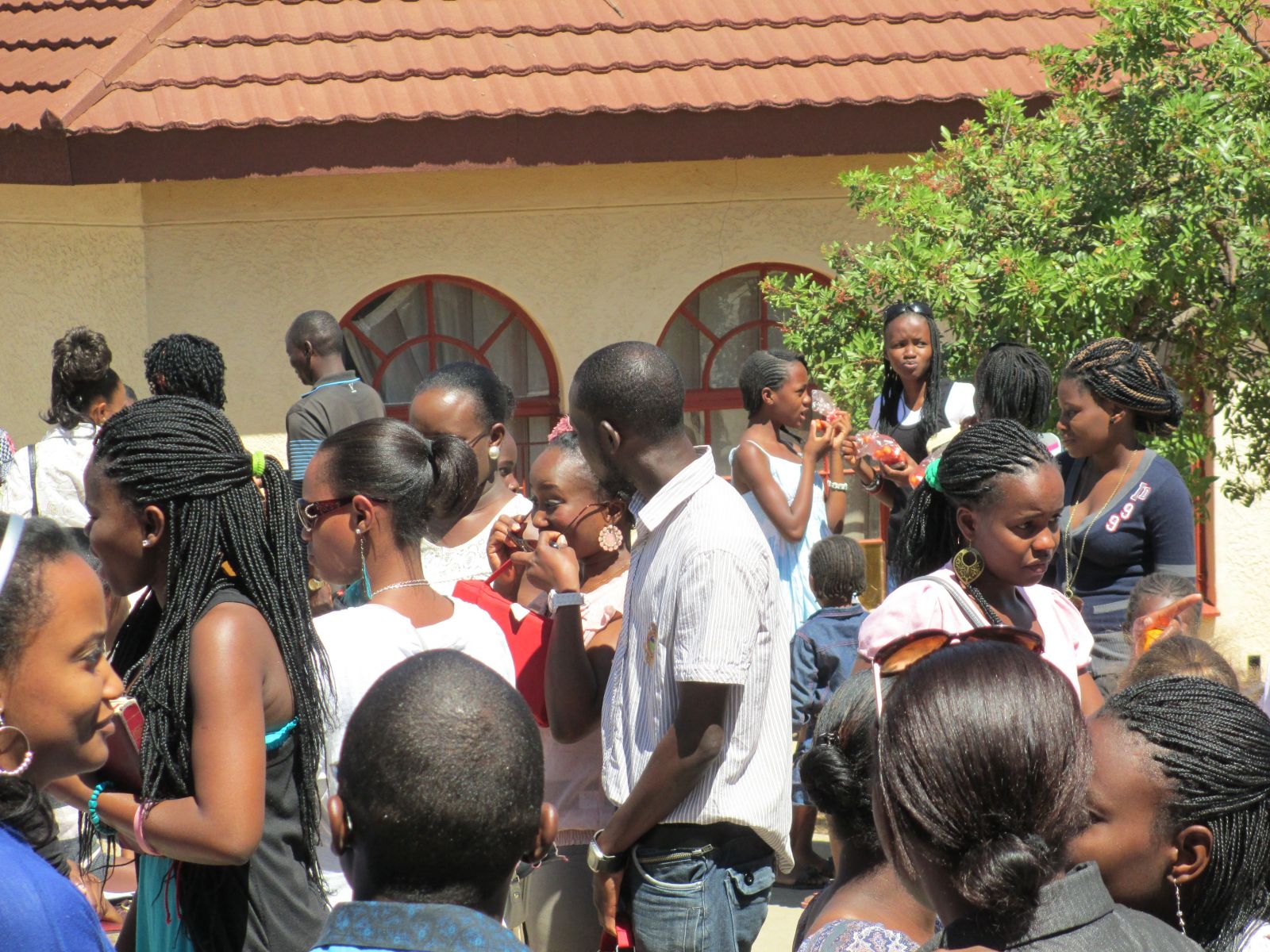
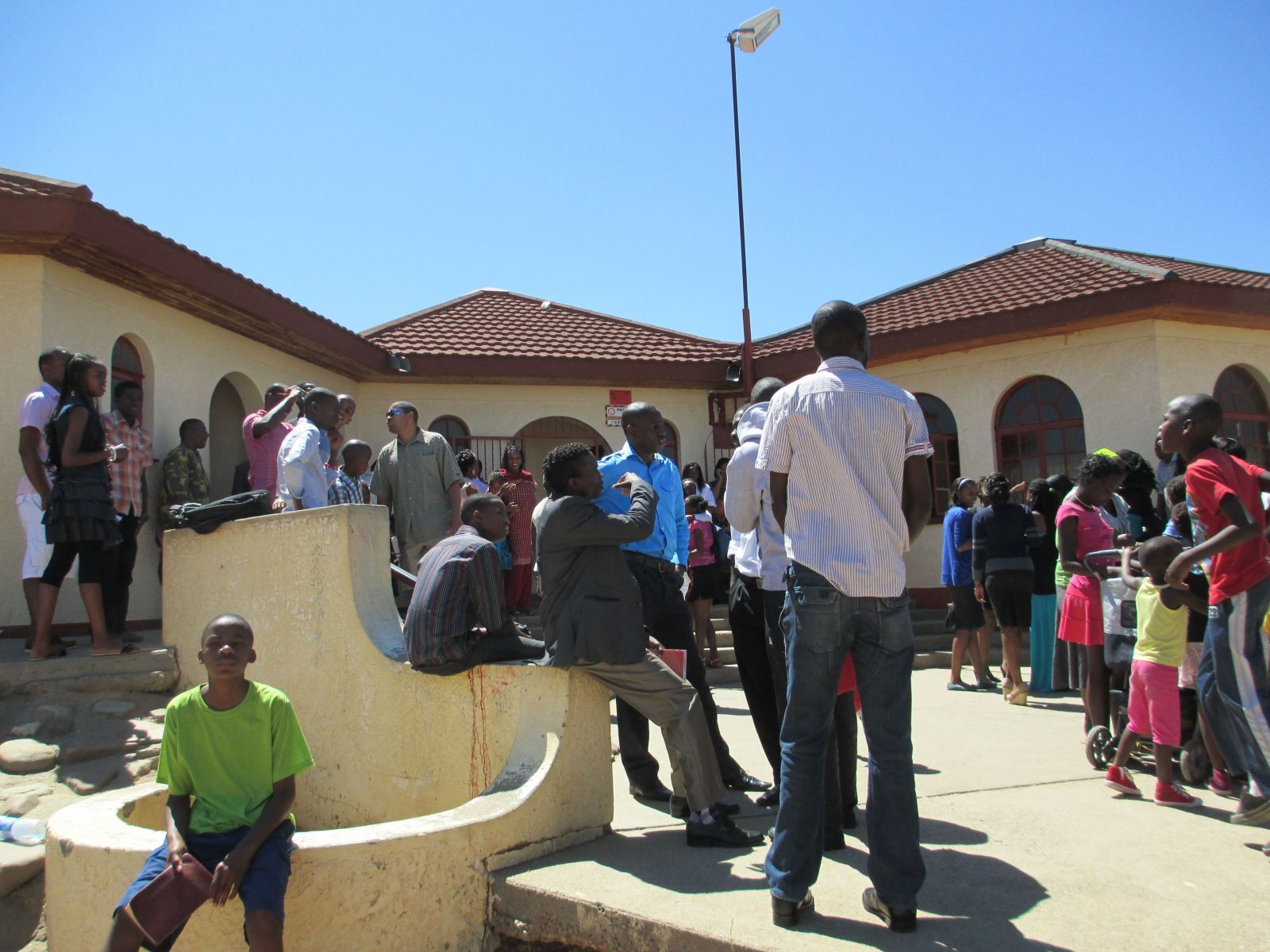
This past Sunday we turned up to church at 9am (on time) to find the congregation all standing around outside chatting to one another. It was a really warm morning so perhaps they were ‘chilling out’?

No, the key for the church could not be found. The pastor and a few other significant members of the church had travelled to Rundu (over 700kms away) for the weekend to attend the opening of a large EBC church there, this one mainly for Angolans, and had taken their keys with them.

Mike and I were determined not to stand in the heat of the sun for too long so we headed up the steps to the shade while we waited. A suggestion was made that the congregation start some singing while we were all waiting. After all, usually the first 30 – 40 minutes of the service is singing anyway.  

Unintentionally we were standing with a significant number of the female members of the choir. They started the singing and most of the male members of the choir came to join them. We were sandwiched amongst them with no chance of ‘escape’ to a less conspicuous spot. It is not as if we blend in very easily at the best of times!

So what do you do when the key is lost? You join the choir as best as you can despite the fact that the songs they are singing are all in Otjiherero so you don’t know the words and you have a very Western sense of rhythm when it comes to dance and movement so you are ‘clunky’ when everyone else around you is smooth.

Fortunately a key was found within about 30 minutes and we could enter the church and join with the rest of the congregation, relieved to be part of the masses once more.

Praise to the LORD. Sing to the LORD a new song, his praise in the assembly of the saints.                  Psalm 149 : 1
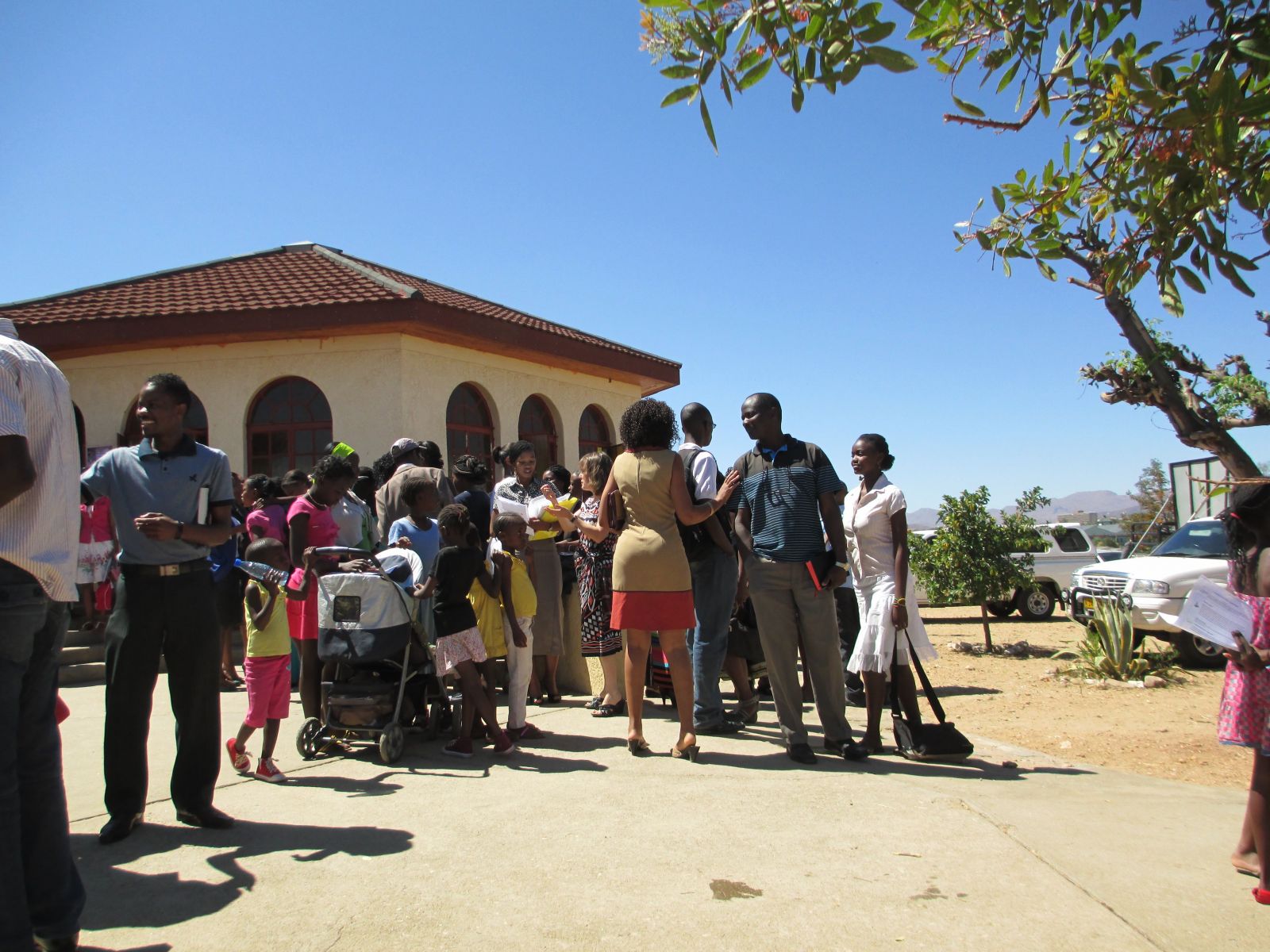
Congregation standing outside church
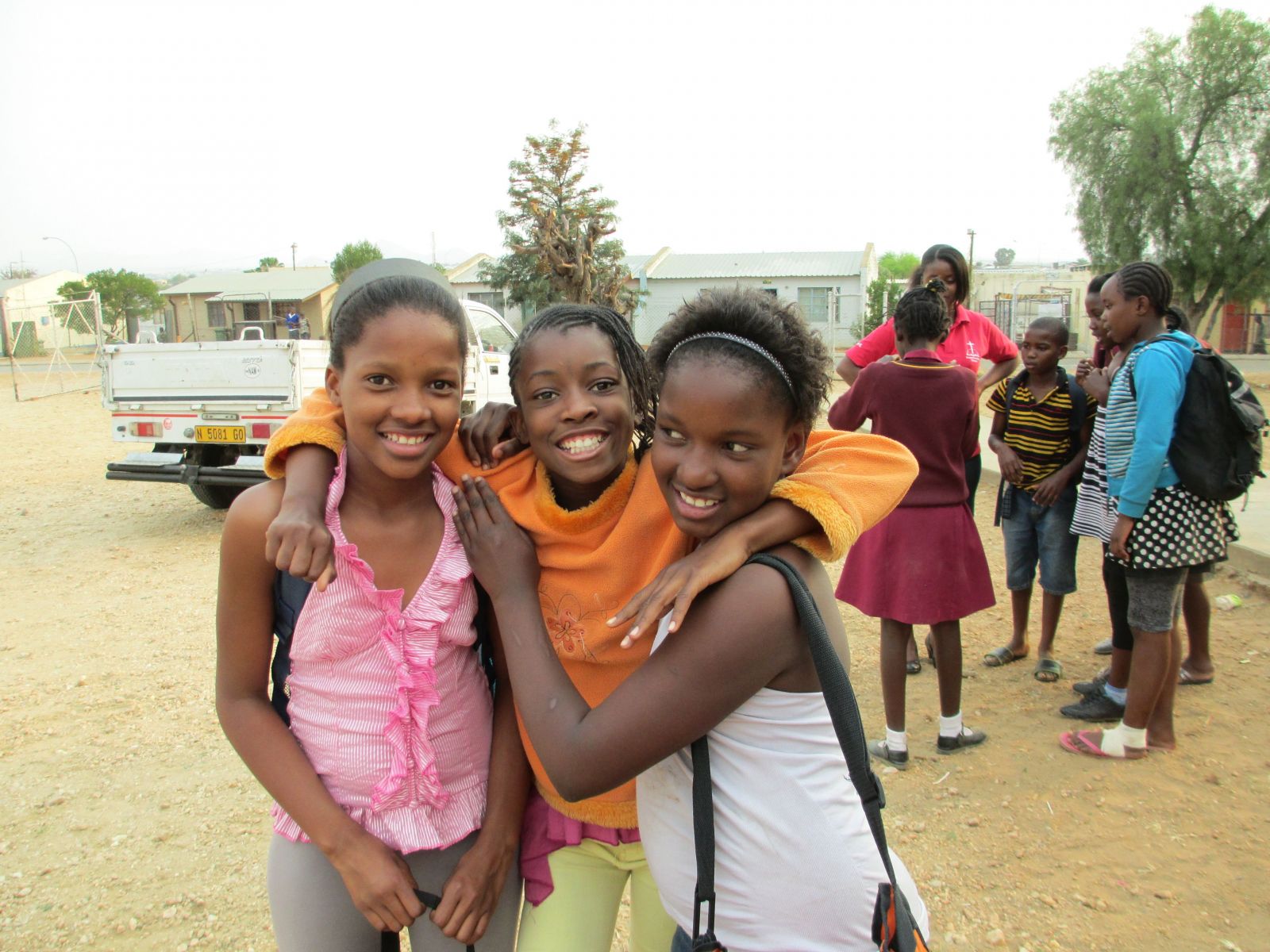
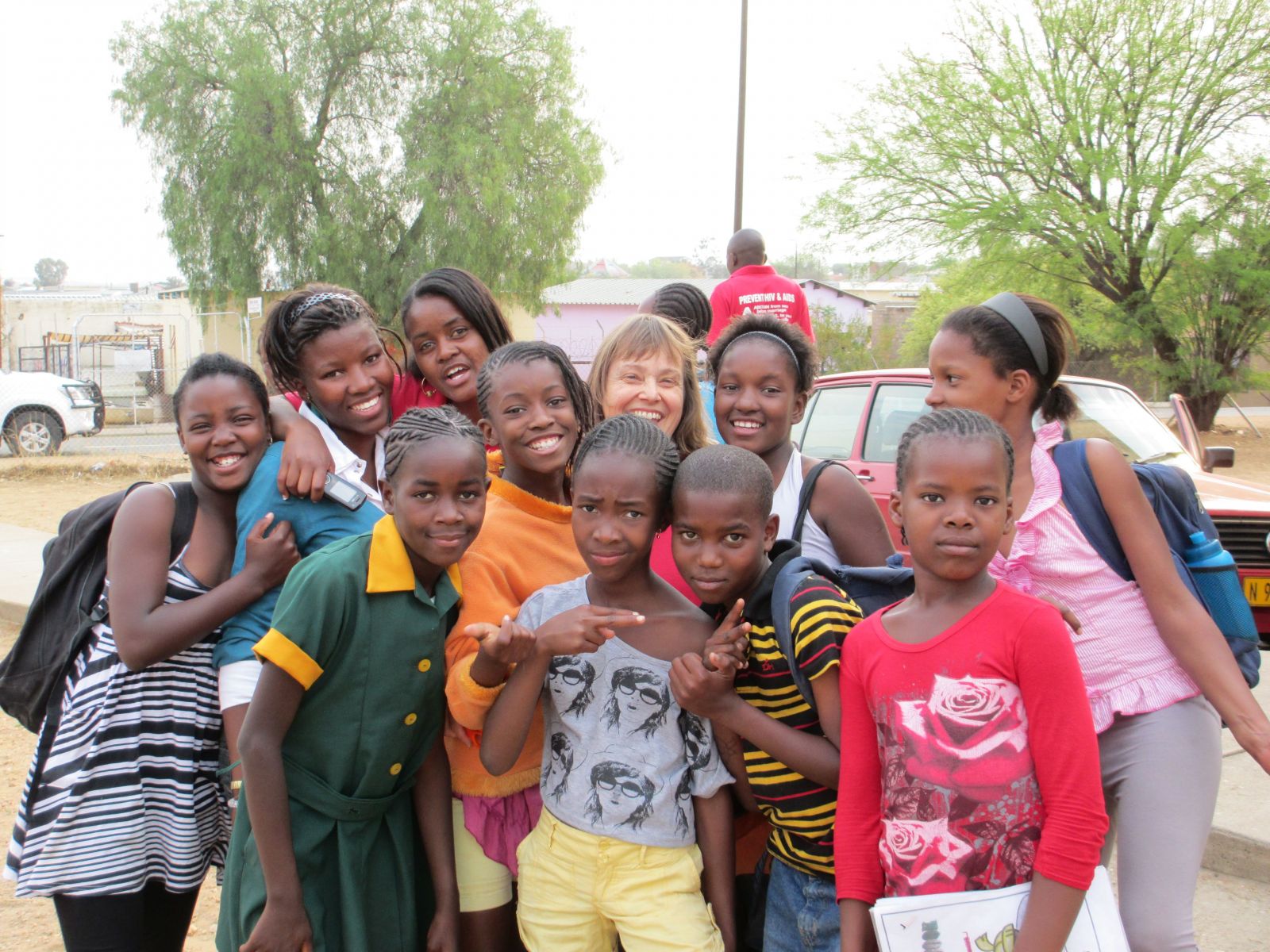
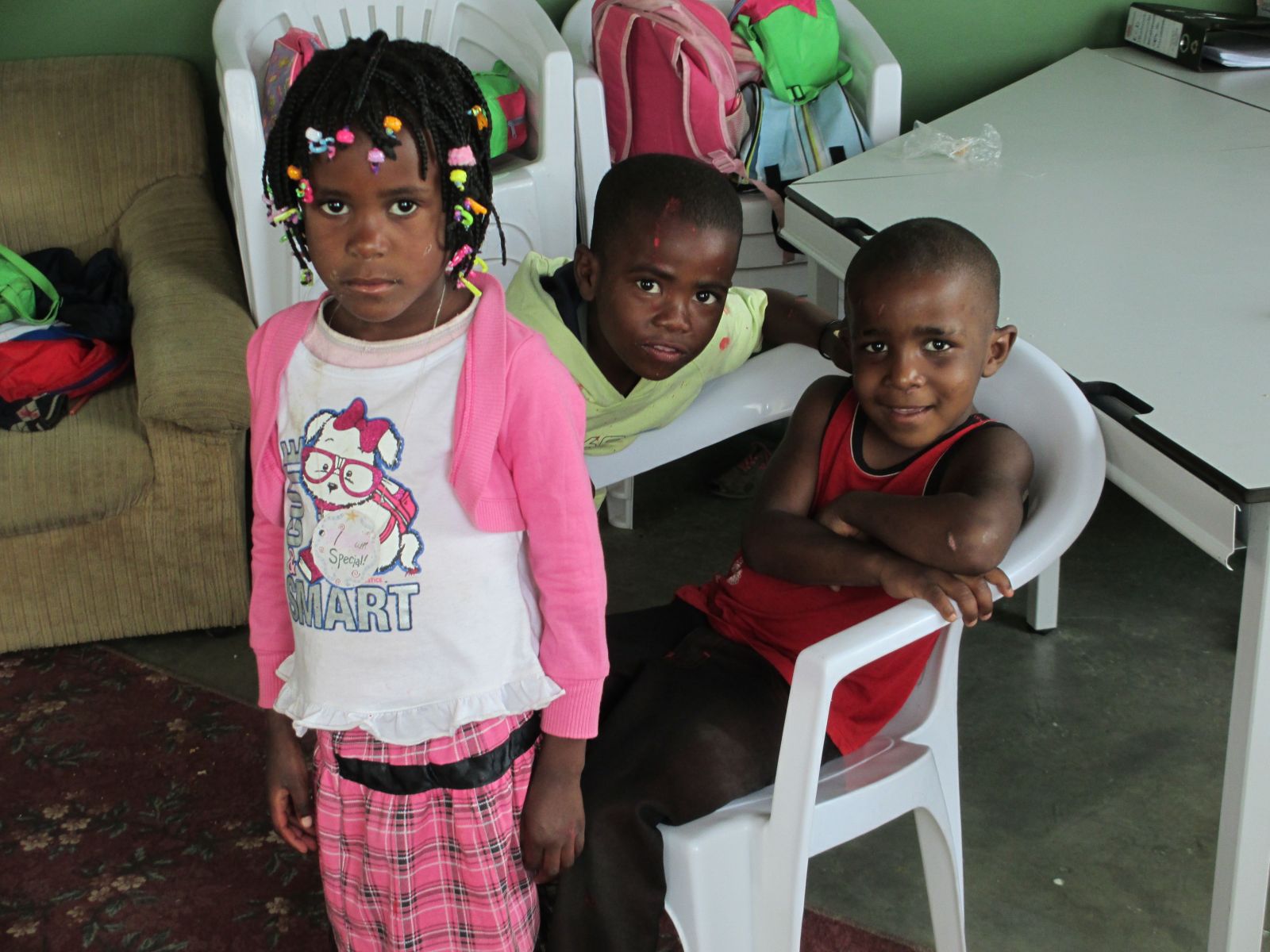
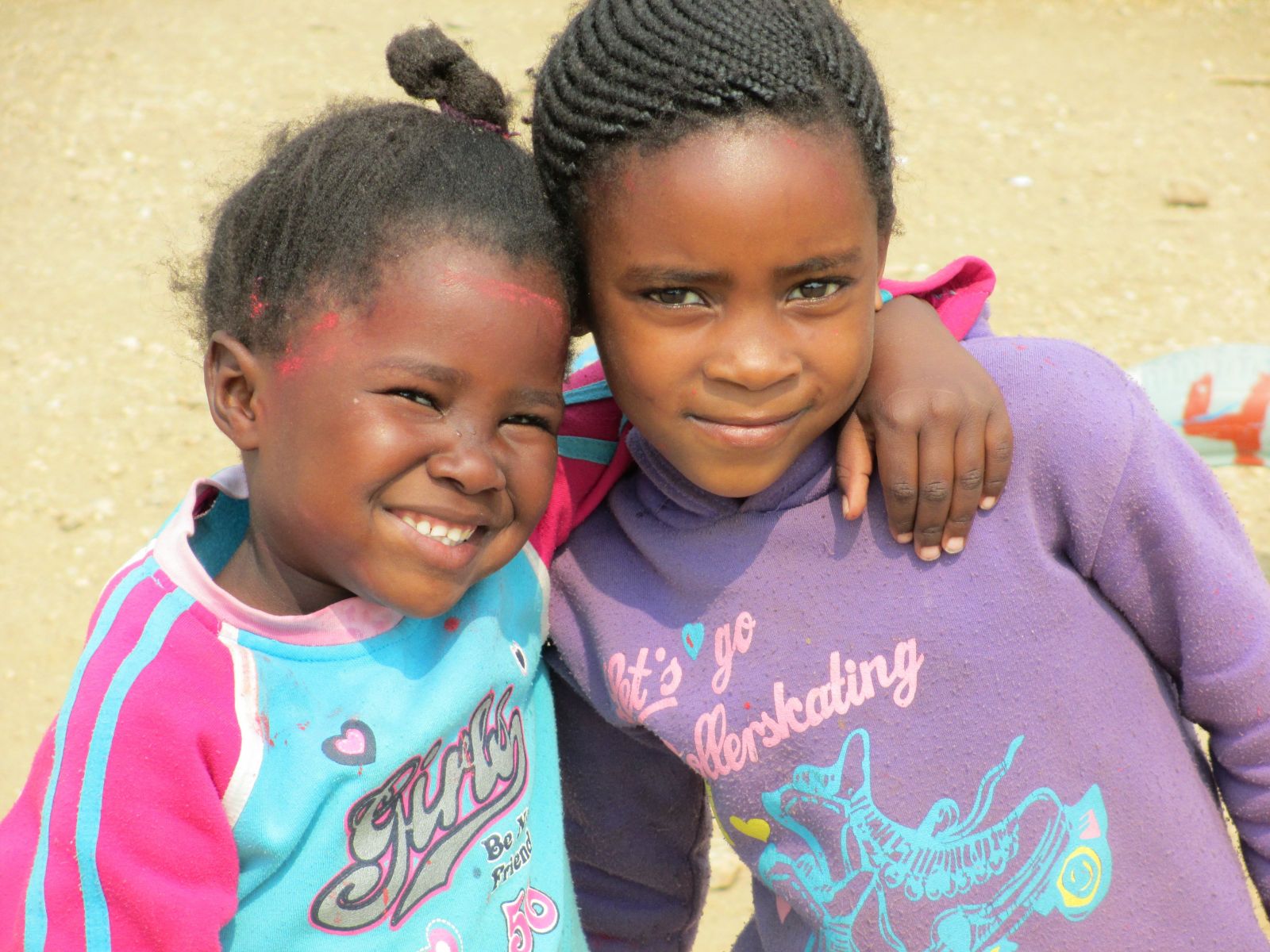
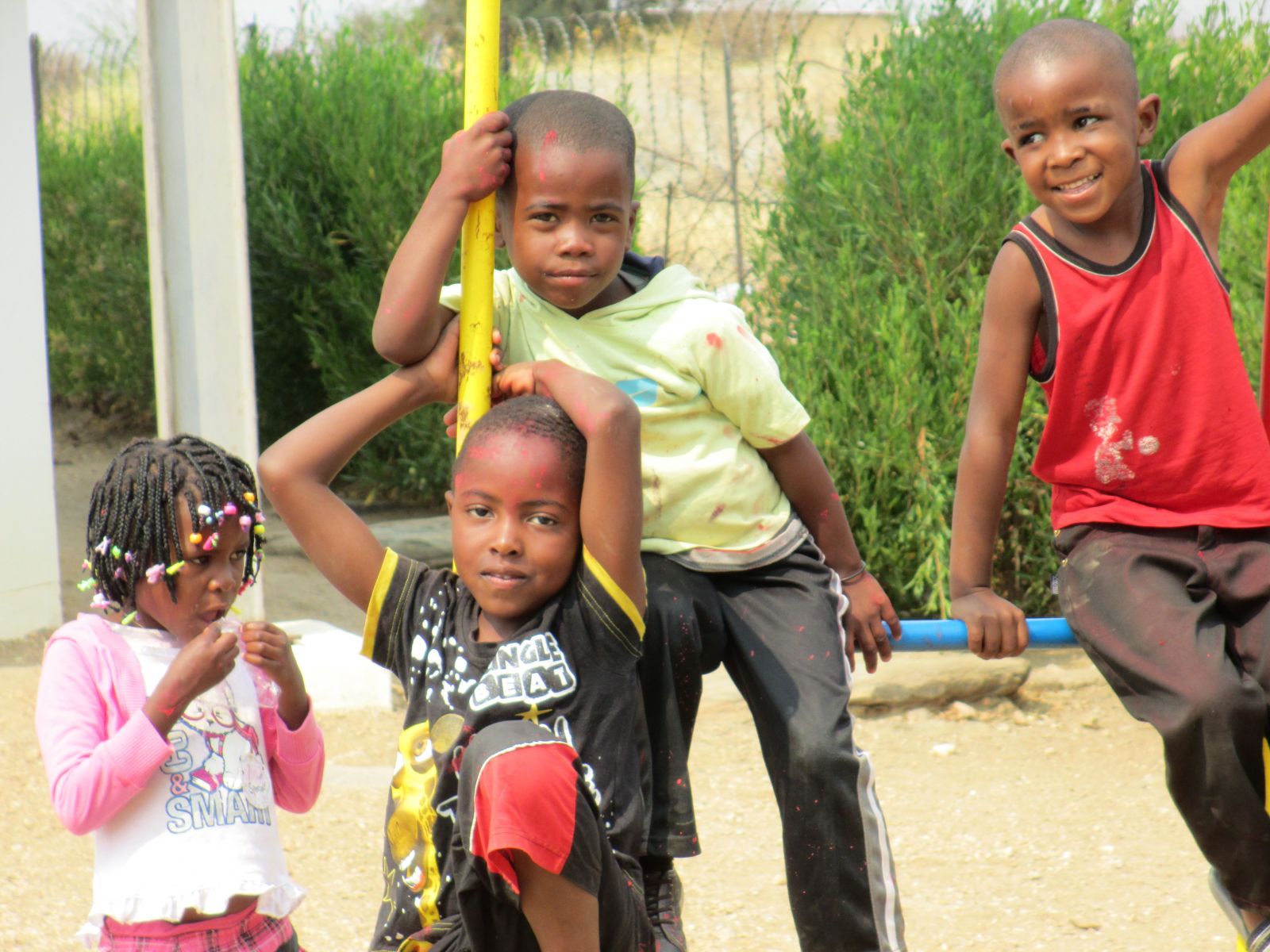
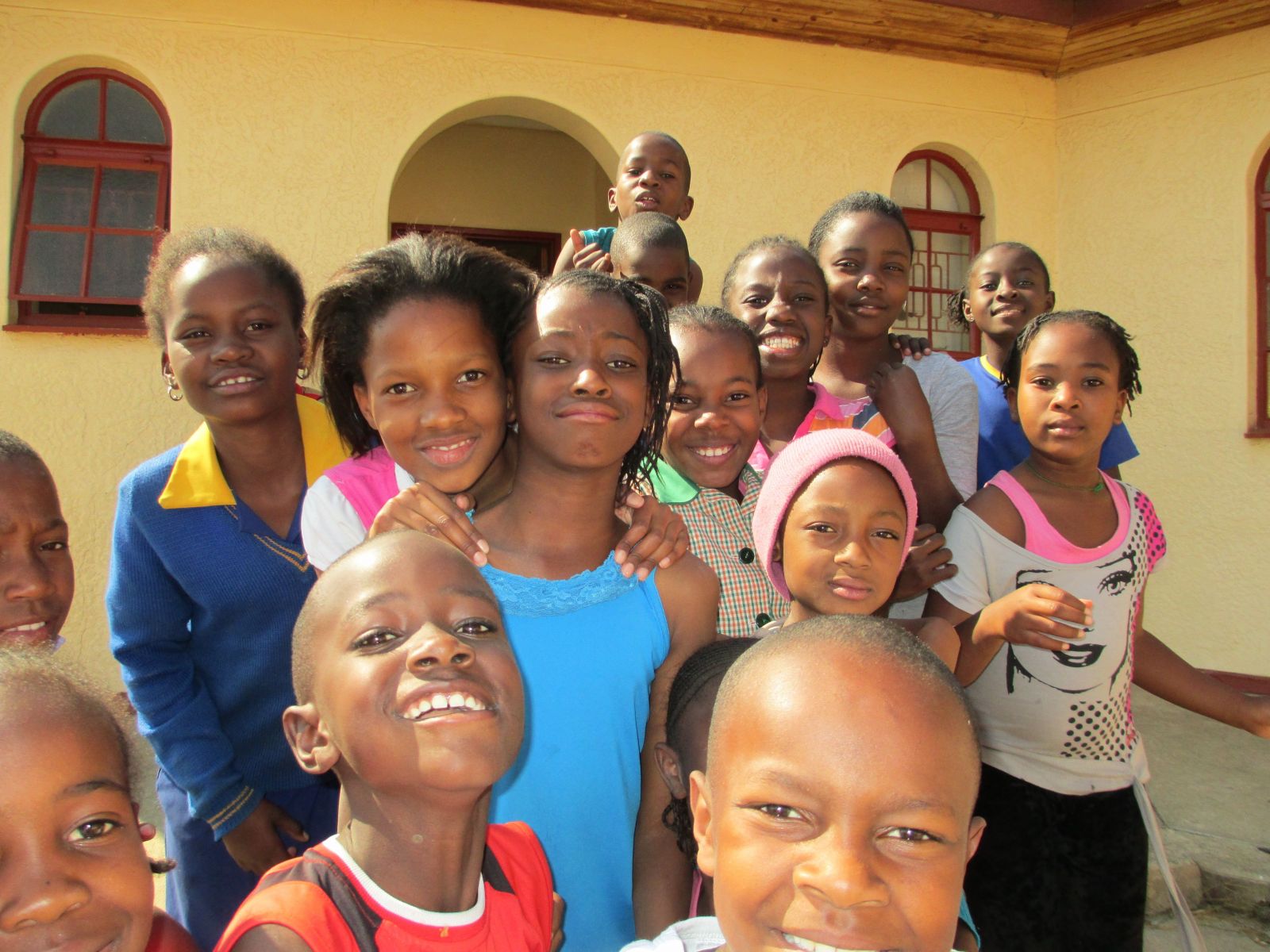
Some of the children from the After School Program
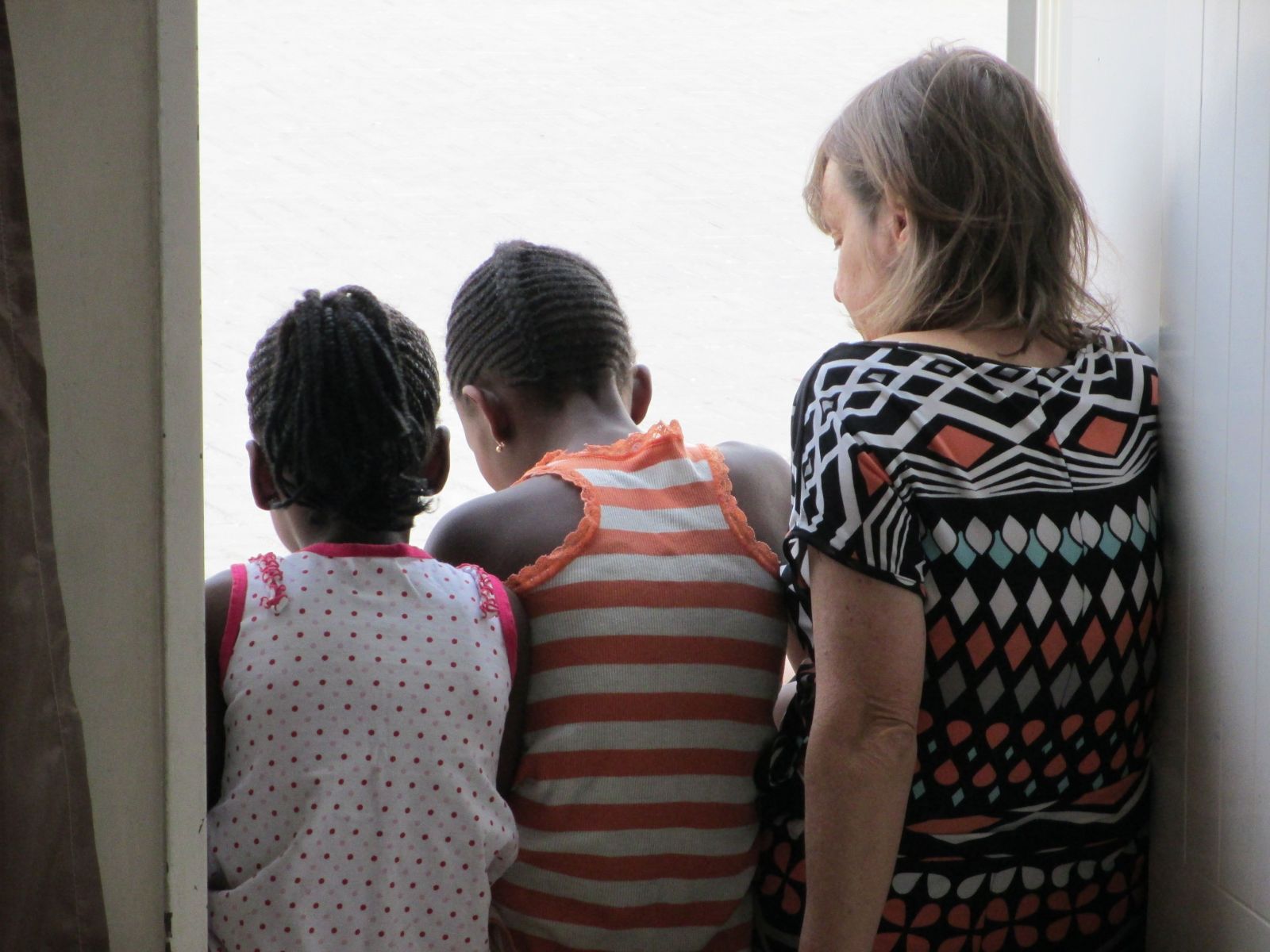
WATER, WASHING & FRIDGE LOCKS

04 Oct 2012


During our first 10 days in Katutura the water was being cut off daily without warning from the local authority. It could be off for seven or eight hours at a time. Simple things like going to the toilet you needed to think about before you went. We got into the habit of filling up the kettle, water bottles & a bucket each night “just in case”. Thankfully things have now settled down.

We are now experts at hand washing. Routine is to have a bath & then use the same water to hand wash your clothes. Once washed you hang your clothes on the clothesline & they tend to dry very quickly. You do not however leave your clothes on the line over night otherwise they may not be there in the morning! Namibians also do not hang their underwear on the clothesline so you leave these to dry inside.

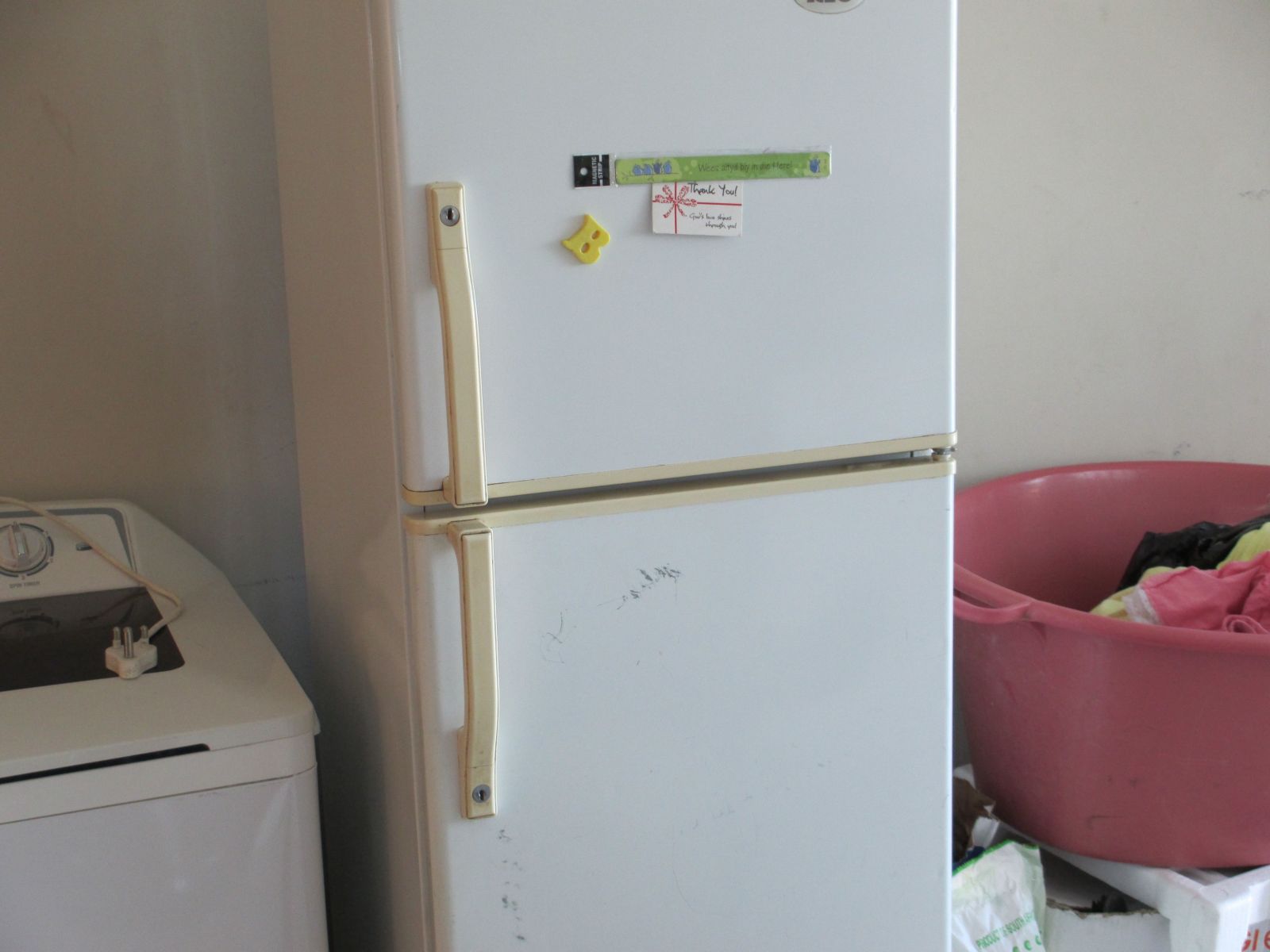
Ever seen a fridge with key locks on the handles? Food is a valuable commodity in the developing world & one you need to protect in certain circumstances. I wonder if fridge locks would go down well in Australia for different reasons?

Notice the key locks on the fridge handles?

TV COMMERCIALS

04 Oct 2012


On the odd occasion we’ve watched TV (two channels to choose from), the following commercials have caught our attention:

One ad reminds people that it’s against the law to dump babies in garbage bins. This ad shows a baby doll crying whilst being placed into a large public bin. Although hard to believe, this is unfortunately a reality in Namibia that the Government seeks to eradicate.   

Another called “He loves me to death” warns people against domestic violence with a photo indicating a woman being strangled by her lover using a necklace.

Another has the catch phrase “A guy who loves you won’t mind using a condom”. This ad is pertinent in a country with high HIV / AIDS status.

Another warns people to be on the lookout for signs of human trafficking, which is a very large worldwide issue. Innocent people (often children & teenage girls) get trafficked across borders & the add remains people to be on the lookout for things that don’t appear right. 

Kate at our front door discussing life with some young Namibians

COMING FACE TO FACE WITH POVERTY

01 Oct 2012


How do you respond when people come to your door begging for food because they say they are desperate? What if they say it is for the children? How do you know if they are genuine? What kind of food is appropriate to give? How much do you give?

These are some of the questions we have been grappling with in recent weeks.

There is a man who goes through each garbage bin in the complex where we are staying every morning – you can hear him rattling things around. He is partly looking for recyclable bottles for which he can earn some money, but mostly he is looking for left over food to eat. We carefully put the rubbish in a tied up plastic bag before putting it in the bin, but the next day it is all undone and everywhere. So what do you do? Do you put out other food so that he has no need to do this? Do you make sure there is a bit of extra left-over food in the garbage so that he can eat it the following morning? Or by doing that are you creating a sense of dependency? We have not resolved this dilemma.

One Saturday while attempting to do the shopping in the supermarket in town I (Kate) was approached by a man who asked me to buy some food for him, stating that he had recently come from South Africa and had been unable to find work and was now so desperate he was begging in the middle of the shop.  I was unwilling to hand over money in the middle of the supermarket (too unsafe to take out your wallet). When I said I would not be able to find him if he waited for me outside the supermarket (his suggestion) he assured me he would find me! This made me feel quite uncomfortable so in this instance I declined to help him. He followed me for the next aisle continuing his story but eventually left. I did feel guilty wheeling my trolley of food after that as I think he probably was genuine.

That afternoon while doing some jobs at home we had two people come to the door asking for food or money. The first man stated that this was particularly for his children although they were not with him. Communication was difficult as he did not have good English and would have preferred to conduct ‘business’ in Afrikaans. We decided to give him some oranges and apples. At least, we figured, these have some nutrition and do not require any cooking. Apparently what we gave him was insufficient as he came to the door again some time later, this time asking for raw meat. This request we refused.

Shortly after this and older lady came to the door asking for housework to do so that she could earn money so that she could buy food. Having just completed all the washing, ironing, floor mopping and other cleaning tasks I had to tell her that there was no work we could give her. We were also uncomfortable in letting a stranger into the house anyway when security is such an issue here. I guess we could have also offered her some fruit (we did not have much else we thought we could give away easily) however she left once we said we had no work.

So what kind of food is appropriate to give? We spent a morning trying to figure this out. Many people have suggested a loaf of bread, however in this dry climate it goes stale within a day and there is no room in the freezer to keep it ‘fresh’. As we are not close to the shops this did not seem like a practical solution.

Fruit remains a viable option, however without a car to transport the shopping home (a N$9 taxi fare will get us close but not all the way) an extra bag of fruit is quite a heavy thing to carry along with everything else.

We wanted to find something that had nutritional value, that was relatively light to carry, that could be eaten as it was (no guarantee that a person this desperate would have any means of cooking or heating food) if need be and that would last until it was required. So this week we added a few ring-pull tins (unlikely to own a tin opener in this situation) of baked beans to our shopping trolley. As we walked around we deliberately looked for other options that may be of use in weeks to come.

Although the central business district of Windhoek is modern and busy with people shopping, there is significant need and poverty in the township areas.  How to respond to this poverty is challenging but we are learning as we go. Another organisation we have just begun working with is located in the most destitute area of Windhoek so no doubt there will be more challenges to come!   

STRANGE THINGS ABOUT BEING WHITE

27 Sep 2012


1) Your veins show through your skin, meaning that many children ask you what on earth are these lines all over your hands? I tell them that this is where the blood goes and try to show them on their own hands but this is not always easy.

2) Some white men have hair on their chest – freaky! So freaky it needs to be looked at and touched.

3) Your hair is very ‘soft’ and must be stroked and played with at every opportunity. Even Mike’s hair gets a good work out at times by both boys and girls!

4) The concept of a bald patch is hard to grasp. Mike has been asked why he took the trouble to shave a circle in the middle of his hair rather than leaving it all on or off. Good question!

5) It is impossible for braids to stay in the soft hair. Many children have tried to make Kate’s hair African all to no avail – within a minute all their hard work has disappeared. We keep trying to tell them this but each one thinks they are the hairdresser to make the breakthrough.

6) Your eyes are not brown unlike all the other eyes around you.

7) You only have one teaspoon of sugar in your tea or coffee. Most people we have met here take around 3 tablespoons per cup – apparently Africans generally love their sugar.

8) You need to wear a hat and sunscreen in order for your skin not to turn red. There is very little concept of sunburn here.

9) You do not constantly walk around with your cell phone (mobile phone) in your hand. Young people in particular are very surprised that I have a phone yet do not take it with me to many places.

10) You wear a watch to tell the time rather than go with the flow of the moment. Our wrists are often being looked at to see what is the current situation.

11) Kate wears a ring, actually 2 rings (an engagement ring and a wedding ring). Kate tells them this is to show that she is married. It would appear that this is not all that common in Namibia.

12) All our children have the same father. When I was asked who that was by one of the volunteers at the After School Program they were genuinely quite surprised that I said Mike, even though she knew we were married.
13) We have very small families. One young person we met could not believe it that even though we have been married for 27 years we only have 3 children – most unproductive.  Families are large here in Namibia and extended family is enormous. We have been told that if all the relatives of the family we are staying with got together, which they do now and then for weddings etc, the number of people would be over 400. Many cows are slaughtered for the occasion! 

Kate with some of the After School Program children & volunteers

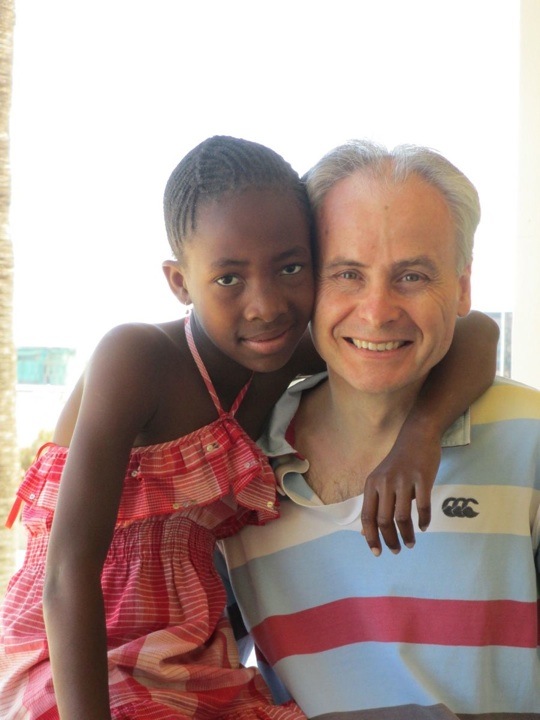
Mike with the daughter of our host Namibian family. 

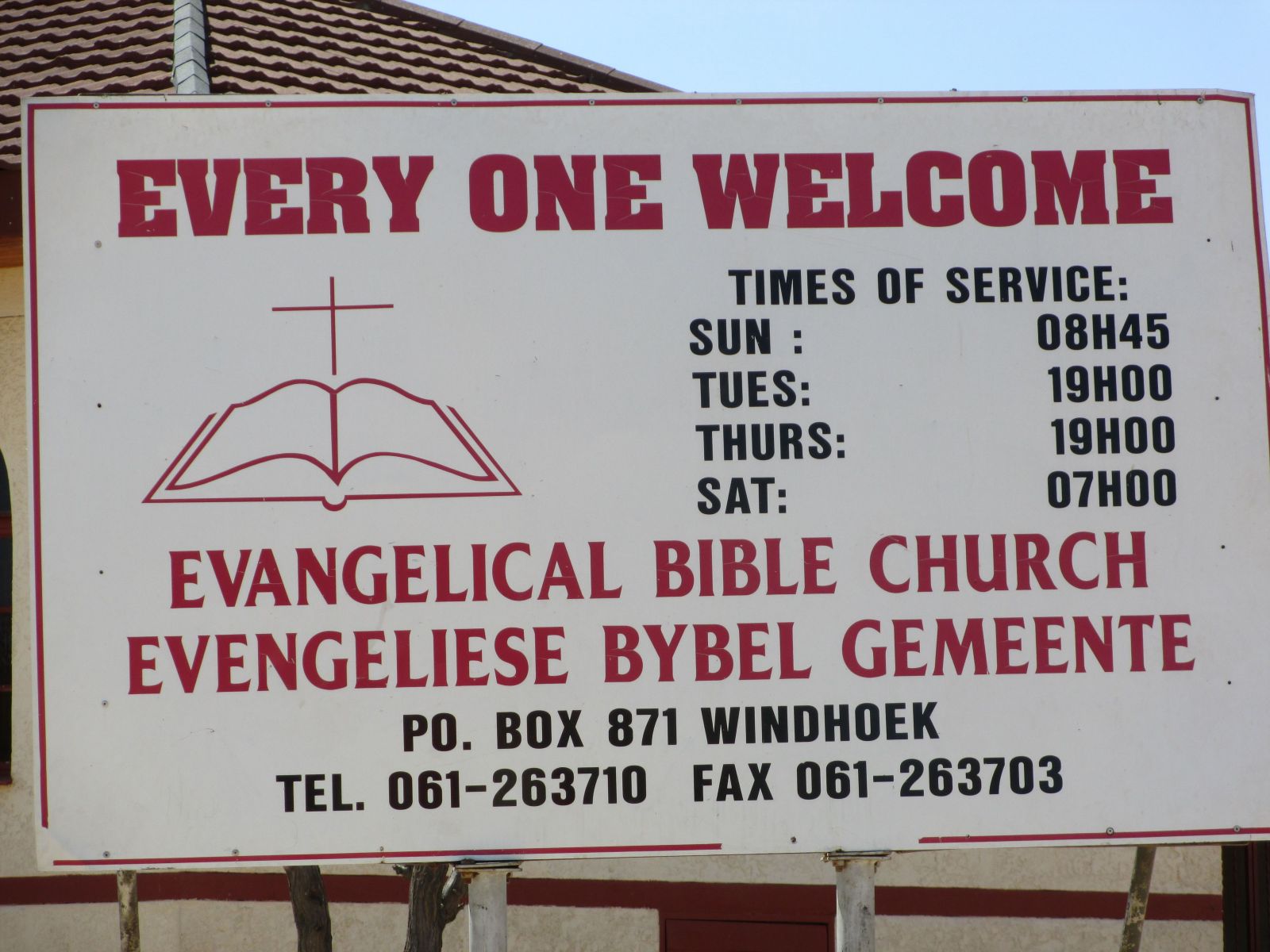
EVANGELICAL BIBLE CHURCH

26 Sep 2012

We are serving in the Evangelical Bible Church with a congregation of around 200 (mainly Herero people). The church is involved in many & varied ministries including an After School Program for children & youth & an HIV / AIDS home based care ministry. Weekly Bible Studies & Prayer Meetings are held along with the usual Friday night for youth. The Sunday School annual camp us coming up in a few weeks time with 70 kids & 10 teachers already signed-up.

The Sunday service goes for around 2.5 hours & is spoken in both English & Otjiherero. The singing is full of praise & in typical African fashion there is no musical accompaniment, yet four part harmonies fill the meeting space. Many of the songs we actually know from our own time in youth group back in Australia. Fortunately for us, Otjiherero is a fairly phonetic language so we can sometimes join in those ones as well, even if we are unsure what we are actually singing about. The song is chosen from the songbook, someone then starts us off & everyone joins in (with gusto!). In fact, if the singing is not enthusiastic enough for the leader it is stopped, the congregation reminded of how great God is and how worthy He is to be praised properly, and we start again. There is both a youth & adult choir who often sing ‘items’ each week.

The church is based in Katutura in a black community on a large block of land. As is typical in most of Windhoek, there is no grass or gardens just dirt & stones surrounding the buildings. There are bars over every window (as is usual in Windhoek) and security grills on every door. The church was designed by a Swiss man back in the 1960s and is made up of hexagonal shaped sections joined together. Covering the wall at the front of the church is a painted mural depicting a water scene and green bushland.

We have been warmly welcomed into the church & relationships are slowly being formed. The Bible is being faithfully taught & guests are being introduced & welcomed each Sunday.  

PRE-PRIMARY SHOOL

22 Sep 2012


One of the projects we are currently working on is a Pre-Primary School (PPS) & we have now completed our first week there.

The PPS was established in 2010 by a graduate of the Namibian Evangelical Theological Seminary. Rather than go on to pastor a church, this graduate saw a greater need within his community to establish a Pre-Primary School which would give classes to orphans & vulnerable children & those effected with HIV & AIDS. This educational opportunity was to be offered to any child (aged 3 to 6) regardless of whether their parents could pay the school fees or not.

The PPS was established within a poor community, which has in excess of 20,000 inhabitants. Some of the children are not going to school because parents are unemployed or because they are orphans & vulnerable.

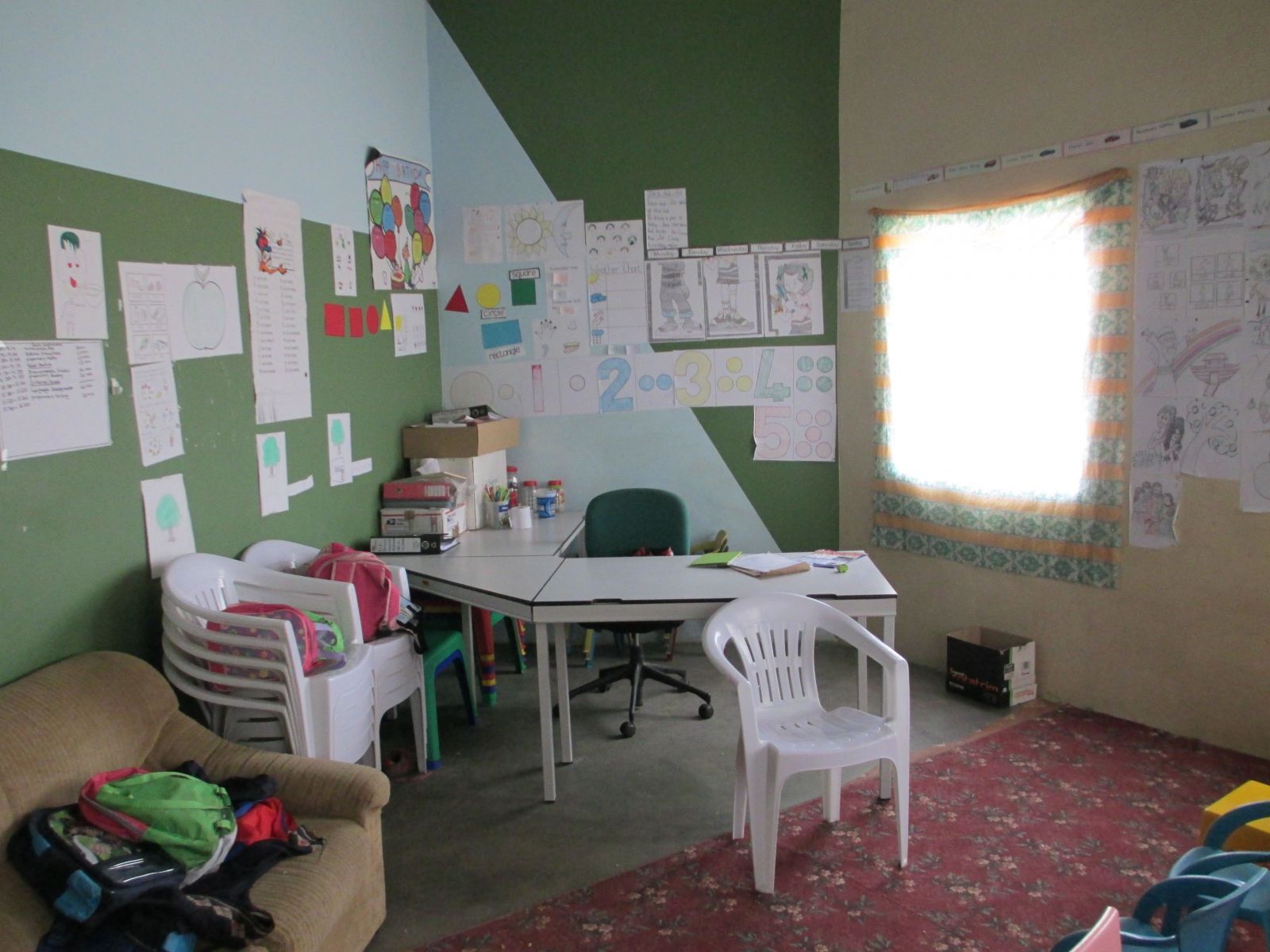
The PPS is located in the back of a local Evangelical Church. It consists of one small classroom & an office, which are both partitioned off from the rest of the church. It is very basic, resources are few & cash flow strained. On the other hand; the kids are great, a teacher is employed & hope (vision) is evident!

Starting with one student in 2010, there are now 20 students enrolled. The Director has great passion for the project, which seeks to deliver quality Christian education in a disadvantaged community. A vision for growth is also in place. The PPS seeks to provide children with affordable & long life opportunities.

The Director has worked on the project now for two years & has never drawn a wage. When we asked him how he lived, he answered “by the Grace of God”. The class teacher is employed from 7:00 am to 2:00 PM five days a week. She does a great job in loving, caring & teaching the children. Her wage is Namibian $1,000 per month (AUD $ 125 per month!).  

The PPS is providing good opportunities for the children to learn about themselves, their environment & their God. It is Christ centred & each day begins with a twenty minute Bible focus for the children.

Kate has been working with the teacher, assisting her in the classroom & looking to provide some mentoring where required. Mike has been reviewing the schools Administration & in particular financial considerations & funding requirements.

“Train a child in the way he should go & when he is old he will not turn from it” (Proverbs 22:6).

KATUTURA

17 Sep 2012


We are currently living in a township called Katutura.

In 1959, as part of South Africa’s apartheid policy, black Namibians were forcibly removed from Windhoek to townships around the city. Katutura (“the place where we cannot settle”) was the largest of these. Thankfully Namibia is now a Republic & apartheid ceased over a generation ago.

Modern day Katutura remains a black township, a sprawling suburb bigger than central Windhoek. Houses range from smart abodes to corrugated iron shacks. Many in the community live in very simple homes & poverty unfortunately remains a reality.  The land itself is not conducive to gardening & lawn is non-existent. Homes are surrounded by bare earth & dogs bark in unison throughout the night.

We are living with a local Namibian family who are graciously sharing their two-bedroom apartment with us for the next three months. We are being well looked after & enjoying the inter-cultural exchanges that occur each day. We have so much to learn about the local people & customs & at the same time they are leaning about Australia & our way of life. Our host’s eleven year old daughter was aghast to see Mike doing the washing up & advised that African men would never do that!

Getting about the community we get the feeling they don’t see too many whites walking around these parts. We went food shopping last week & were the only white people in the shopping mall. Many of the more modern apartments have bars over each window & the front & back doors have large key locked security grills in front of them. Caution needs to be exercised & you don’t go outside after dark. Even some of our Namibian friends have been mugged at night time, so we listen carefully & adhere to advice. This morning we awoke to find a man going through our garbage bin outside the front door!

Despite these challenges we are blessed to be living where we are & we are within walking distance of the EBC church.  We are honoured to be living with a Namibian family & sharing daily life, laugh & meals with them. 


AFTER SCHOOL PROGRAM

13 Sep 2012


Boys in bare feet playing soccer in an area covered in stones (the ‘playground’). Girls with tightly plaited hair of all different lengths. Children fascinated by postcards showing pictures from Australia. Questions about nouns, adjectives, verbs and adverbs to answer. Singing songs about Jesus in unison with actions. Two white faces amongst many dark ones.

On Monday we commenced our time at the After School Program run by volunteers from the Evangelical Bible Church. These are a great group of young people, most of whom are still studying themselves, who devote 3 – 4 hours each afternoon to help the kids in their neighbourhood. We proudly wear our red uniform T-shirts each day with them. We will be involved with the program for the next three months.

How does it work? The program runs each Monday to Thursday afternoon from 2 – 5pm. (School here in Namibia starts at 7am and finishes at 1pm). The volunteers meet from 1:30pm to pray for the kids and the afternoon ahead. Friday afternoons are set aside for planning and preparation for the following week. The participants are aged between 7 to 17 and are divided into five different age groups. Around 80 to 100 kids attend each afternoon & gain help with their homework, along with learning life skills, obtaining reading assistance, playing sport / games & attending Bible Club.

Why would the church be involved in this ministry? It is part of the overall HIV / AIDS prevention strategy as well as reaching out to the local community in a meaningful and needed way. By implanting positive messages and positive role models in these kid’s lives, constantly supported by the message of Jesus, the aim is to impact the next generation of Namibians to make the best choices for themselves and their nation. We were greatly encouraged when three kids gave their lives to Christ this afternoon following a testimony by one of the leaders.

Monday was the first day back after a two week break. During the holidays one of the Grade 5 children had died in a car accident and a Grade 8 student was critically injured in the same crash. Within the last two months one of the leaders had also died quite suddenly although she had been unwell for some time. Sobering times for these kids. There was a message given about how precious life is, how uncertain life can be and how we must be prepared at all times to come before God.

You never know who might turn up at the door to say hello.

Kate doing some cross cultural communication

CATCHING A TAXI

08 Sep 2012


They say, “When in Rome, do what the Romans do”. When in Windhoek you catch a taxi.

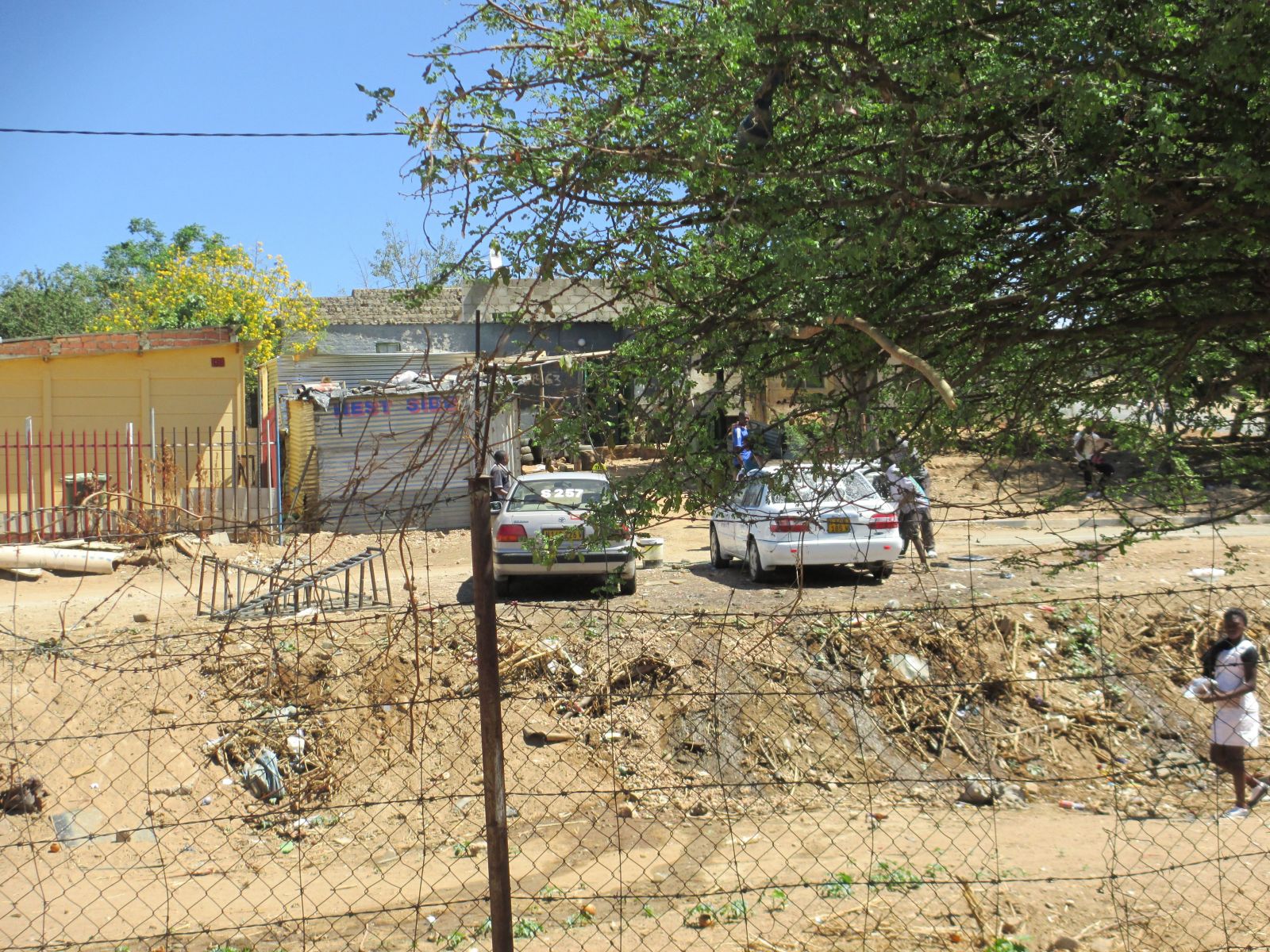
Taxis are the public transport here. Every third car or so is one. All of them have a number on the side and are generally older in appearance. A driver can take four passengers in their vehicle at any one time. The cost is a flat 9 Rand / Dollars (approx AUD $1.20) to most places in the city.

How to catch one? Basically you stand at the side of the road and one will come by within about a minute. If they have room for more passengers they will honk their horn. Mind you, you only have to be walking down the street and you will have taxis honking at you constantly; you just keep on walking and not look up. Sometimes the taxi will pull over to the side of the road, but generally it just stops. You then indicate vaguely the direction you wish to go, the closest landmark near to your desired destination and how many people wish to go there and the driver will generally indicate that is fine.

Do not expect to get driven to your landmark ( drivers do not go by streets or addresses ) immediately. Depending on who else is in the taxi at the time and who else the driver picks up on the way, your route can be quite a circuitous one. It is no point putting on a seatbelt when riding in the back of the taxi. There may not be one, or not enough, for a start. Also, as other passengers get out and new ones get in you have to keep sliding across the seat anyway.

Driving seems to be done a lot via the horn; the streets are quite loud with the sound of them. You honk to indicate you have more room, you honk if the person in front of you is not driving fast enough, you honk if you are generally unhappy with the state of the road, you honk if its your turn to go across an intersection.

We find ourselves holding my breath every time we come to a four-way intersection. The rule seems to be whichever car is at the intersection first, goes first; the second to arrive goes next and so forth. With a lot of taxi drivers in a hurry all the time there seems to be interesting interpretations of who actually got there first. We had our first near miss the other day. We are well and truly getting into the life that is Windhoek.

“The Lord is my rock, my fortress & my deliverer; my God is my rock, in whom I take refuge. He is my shield & the horn of my salvation, my stronghold.” (Psalm18:2)

Pages

Subscribe to RSS - blogs